Da Nang's People's Committee has approved a city plan to prepare for drought, water shortage and saline intrusion in 2027. Decision No. 5284/QĐ-UBND was issued on 18 November and reported on the city government's portal on 19 November.
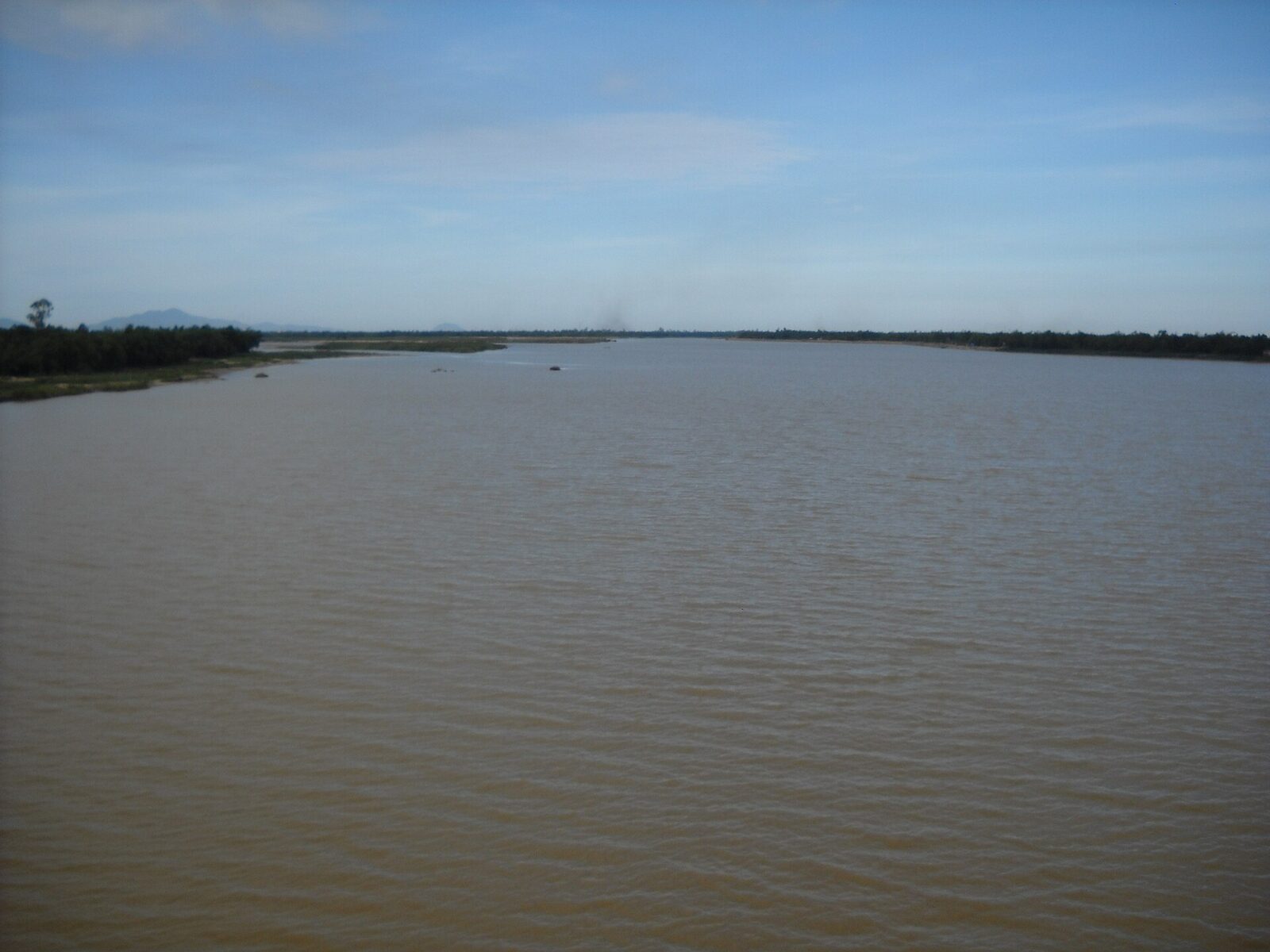
The plan relies on the Central Region Hydro-Meteorological Station's forecast that rainfall from October 2026 to September 2027 will generally be below the multi-year average in the Vu Gia and Thu Bon river basins. Between January and August 2027, it says, water shortages could worsen saline intrusion downstream and cause local shortages outside irrigation schemes.
Two El Niño scenarios
The plan sets out two El Niño risk scenarios.
Under the "very high" case, temperatures run 1–2°C above average, rainfall falls 20–40% short generally and by more than 50% in places, and runoff drops by about 20–40%. Many reservoirs might not fill, with shortages lasting into the early 2027 rainy season. The city rates the risk to surface water that feeds its water plants as high to very high.
Works and deadlines
The plan names specific works on the rivers south of the city. Da Nang Water Supply JSC is to reinforce a temporary dam on the Quang Hue river, and an emergency salt-blocking dam on the Cam Le river is to be built only if other measures fail. Dien Ban Dong ward must finish a temporary dam on the Vinh Dien river before 15 January 2027.
Salt-blocking dams are planned at the Go No and Tay An bridges, with timing to be set once the Department of Agriculture and Environment agrees. Wards and communes are to dredge silted stretches of the Vinh Dien, Lac Thanh and La Tho rivers. If salt water reaches the Cau Lau bridge head or the Vom Cam Dong point, Go No commune leads an emergency response with the irrigation company and the Quang Nam water supply company.
Farming and household water
During shortages the plan puts household water first, followed by livestock and high-value perennial crops. Farmers are urged to switch to drought- and salt-tolerant varieties and to upland crops such as biomass maize, sesame, peanuts, legumes and cassava. Aquaculture farms are to receive saline-intrusion information and be encouraged to cut stocking density.
Communes and wards must draw up their own plans starting with the 2026–2027 winter-spring crop, including mobile pump stations, ponds and wells, and truck water for households in chronically short areas. The hydropower operators on the Vu Gia–Thu Bon system must plan dry-season releases to supply downstream areas and report to the Department of Agriculture and Environment.
The portal notice gives no budget, cost figures or dam dimensions. Earlier this week the city allowed the Song Tranh 2 and Dak Mi 4A reservoirs to store water against drought, as Danang Voice reported.
Sources
This story was compiled by the Da Nang Voice news desk from the published sources listed above. Facts, figures and quotes are attributed to those sources; Da Nang Voice did not conduct interviews for it unless the text says so. Corrections are dated and noted at the top of the story. Read our corrections policy. Spotted an error? Tell us.