Da Nang is attracting more foreign tourists than ever, but most of them aren't staying long. The city received nearly 7.7 million international overnight visitors in the first nine months of 2026, up more than 28% on the same period last year, yet the average stay is still under two days per trip, Tuoi Tre News reported on October 18.
The figures were discussed at the Da Nang International Tourism Fair (DITF 2026) on October 18. According to the Da Nang Tourism Association, the fair brought together more than 300 tourism service providers and about 550 domestic and international buyers.
The numbers
City accommodation data reported by VnExpress put the nine-month total at about 15.86 million overnight visitors, up 26.4%, including about 7.73 million international guests, up 28.7%. The same report gave an average stay of about 1.6 days and average spending of about 212 US dollars per visitor. Accommodation, food and travel services earned nearly 57,000 billion dong over the period. (Tuổi Trẻ's Vietnamese report describes the average stay as both "under two days" and "nearly two days"; the city's 1.6-day figure fits both.)
South Korea is the largest international market, followed by China and India. Arrivals from Russia and other CIS countries passed 411,000 in the first eight months, up 94.2%, Tuổi Trẻ reported. In the first half of the year, the city recorded nearly 175,000 rounds of golf, up 5.6%, and 101 conference and incentive groups bringing more than 28,400 visitors. The city also says it hosted and advised on 28 international weddings.
Why stays are short
City leaders have been blunt about the problem. At a meeting on October 14, People's Committee Chairman Nguyễn Mạnh Hùng said visitors at night "xem cầu Rồng phun lửa, ăn hải sản rồi về ngủ" ("watch the Dragon Bridge breathe fire, eat seafood, then go to sleep"), and that Da Nang lacks enough entertainment and shopping to keep them, according to VnExpress. A travel company at the same meeting said Korean visitor numbers on the coming winter flight schedule had fallen by more than 10%, and that Chinese visitors were recovering slowly.
What officials want to change
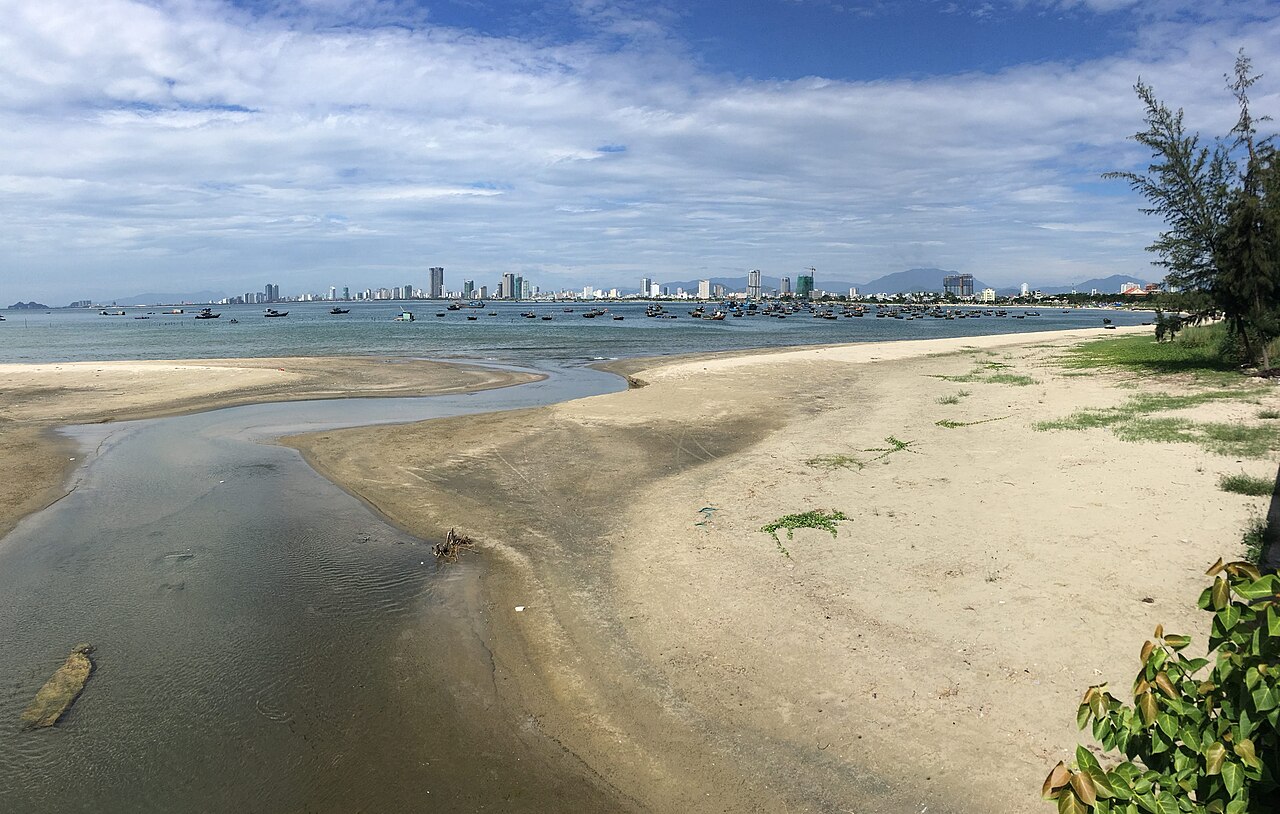
At the fair, Hồ Kỳ Minh, standing vice chairman of the People's Committee, said the city is moving its focus from visitor numbers to the quality of experiences, longer stays, higher spending and repeat visits, according to Tuổi Trẻ and Vietnam+. The ideas raised include:
- packaging beach holidays with golf, food, cultural and heritage sites, and wellness services;
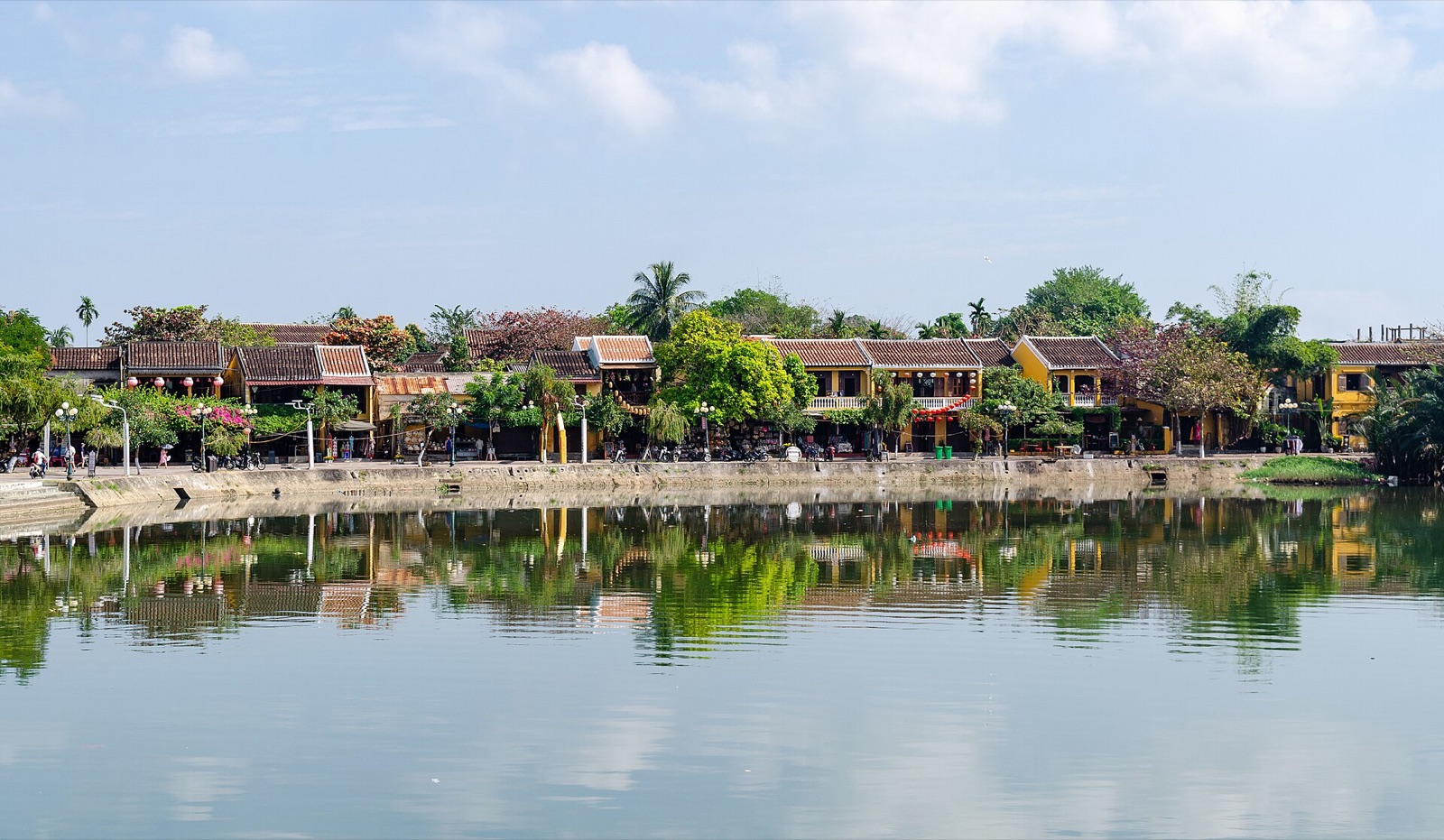
- linking Da Nang with Hội An, Huế and other central destinations in multi-stop itineraries, including craft villages;
- building products for specific markets: resorts and golf for Korean visitors, weddings, conferences and family trips for Indian travellers, and longer beach-and-wellness stays for Russian and CIS guests.
At the October 14 meeting, the city also discussed shifting promotion toward Europe, India, the Middle East and Indonesia, support for new air routes, special visas for remote workers and long-stay retirees, and studying rail links from Da Nang and Chu Lai airports to the city centre and Hội An, VnExpress reported. These are proposals and directions. None comes with a budget, a timetable or an approved policy.
Trade groups said the fair must produce real business. Cao Thị Ngọc Lan, standing vice president of the Vietnam Tourism Association, said, according to Vietnam+, that "networking at DITF 2026 should translate into cooperation agreements, commercial contracts and concrete commitments." Cao Trí Dũng, chairman of the Da Nang Tourism Association, said businesses should study each market's needs and build products to match, not just promote what they already sell.
What it means locally
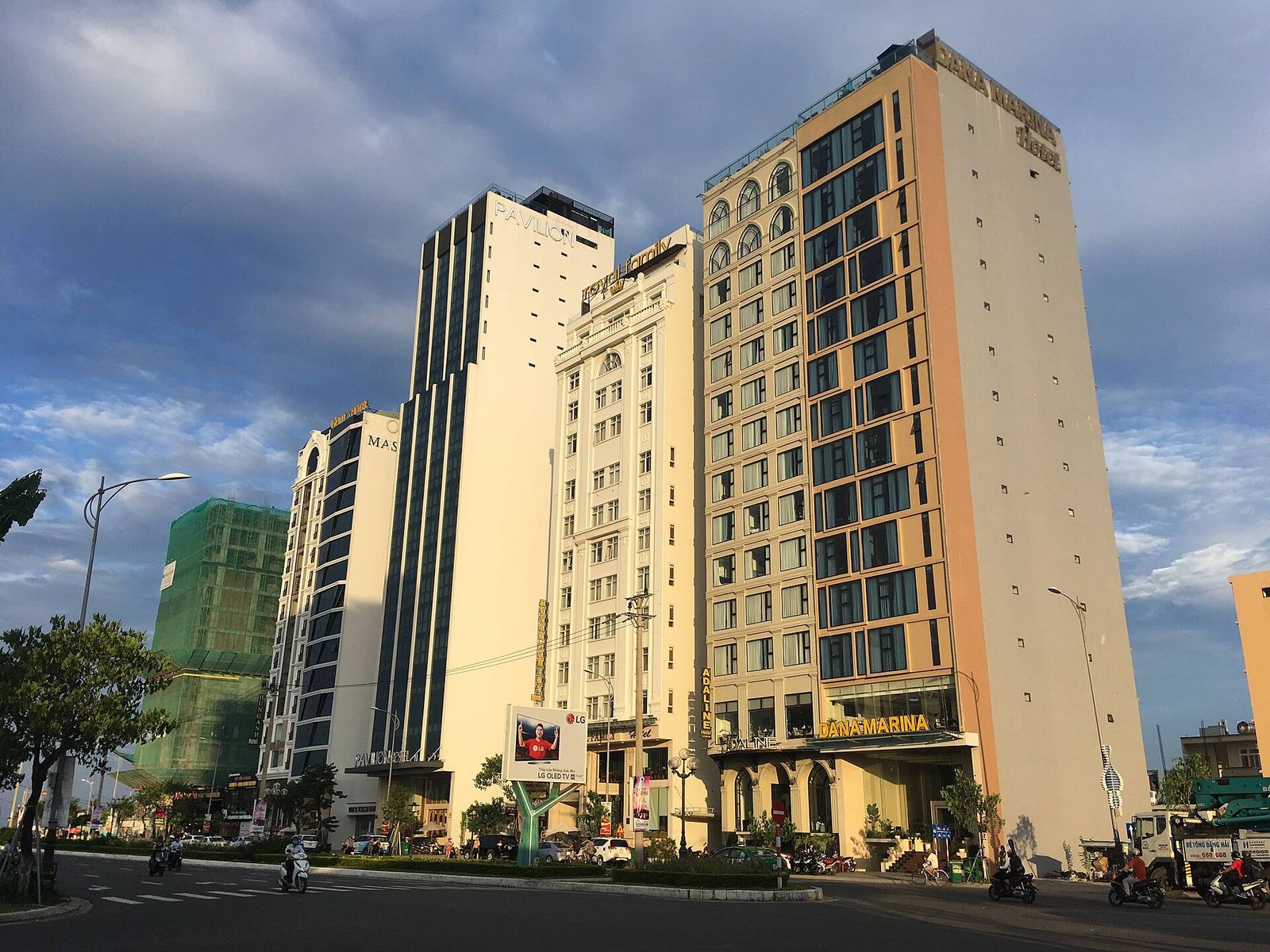
For hotels, every extra night is revenue the city currently loses. For restaurants, bars, spas, golf courses and Hội An's craft villages, longer stays mean visitors with time to go beyond the beachfront and the Dragon Bridge. Residents should watch for the practical side of this push: more evening programming, new routes and itineraries out to Hội An and the old Quảng Nam province, and continued debate over limits at crowded heritage sites. The open question, raised by the trade groups themselves, is how many of the fair's 7,000 reported business connections become actual bookings.
Sources
- Vietnam's Da Nang aims to extend international tourist stays, boost spending
- Đà Nẵng bàn chuyện giữ chân khách du lịch trong ngày hội hơn 500 đối tác
- Chủ tịch Đà Nẵng: Khách xem cầu Rồng, ăn hải sản rồi về ngủ
- Da Nang expands tourism markets through 7,000 business connections
This story was compiled by the Da Nang Voice news desk from the published sources listed above. Facts, figures and quotes are attributed to those sources; Da Nang Voice did not conduct interviews for it unless the text says so. Corrections are dated and noted at the top of the story. Read our corrections policy. Spotted an error? Tell us.