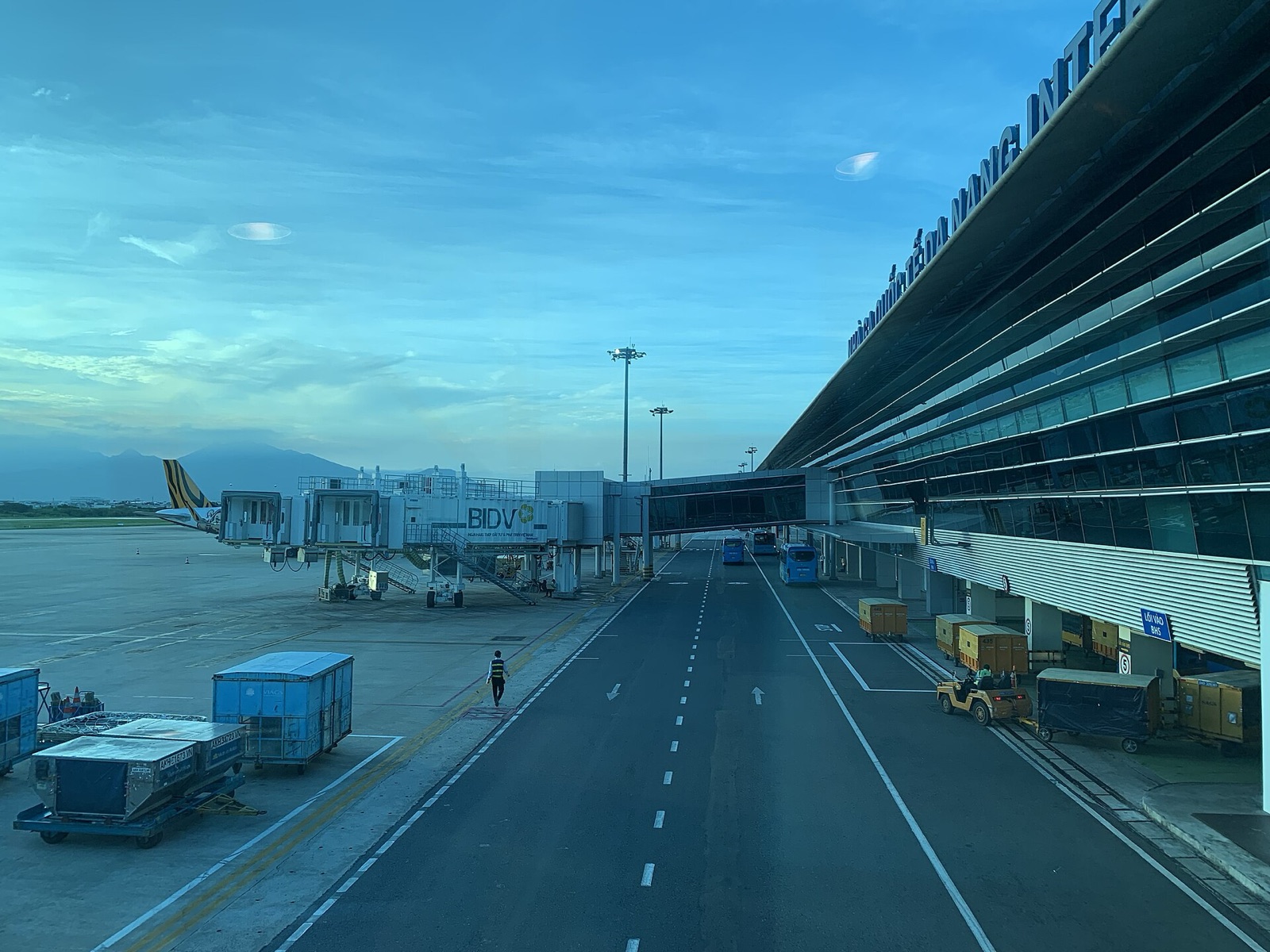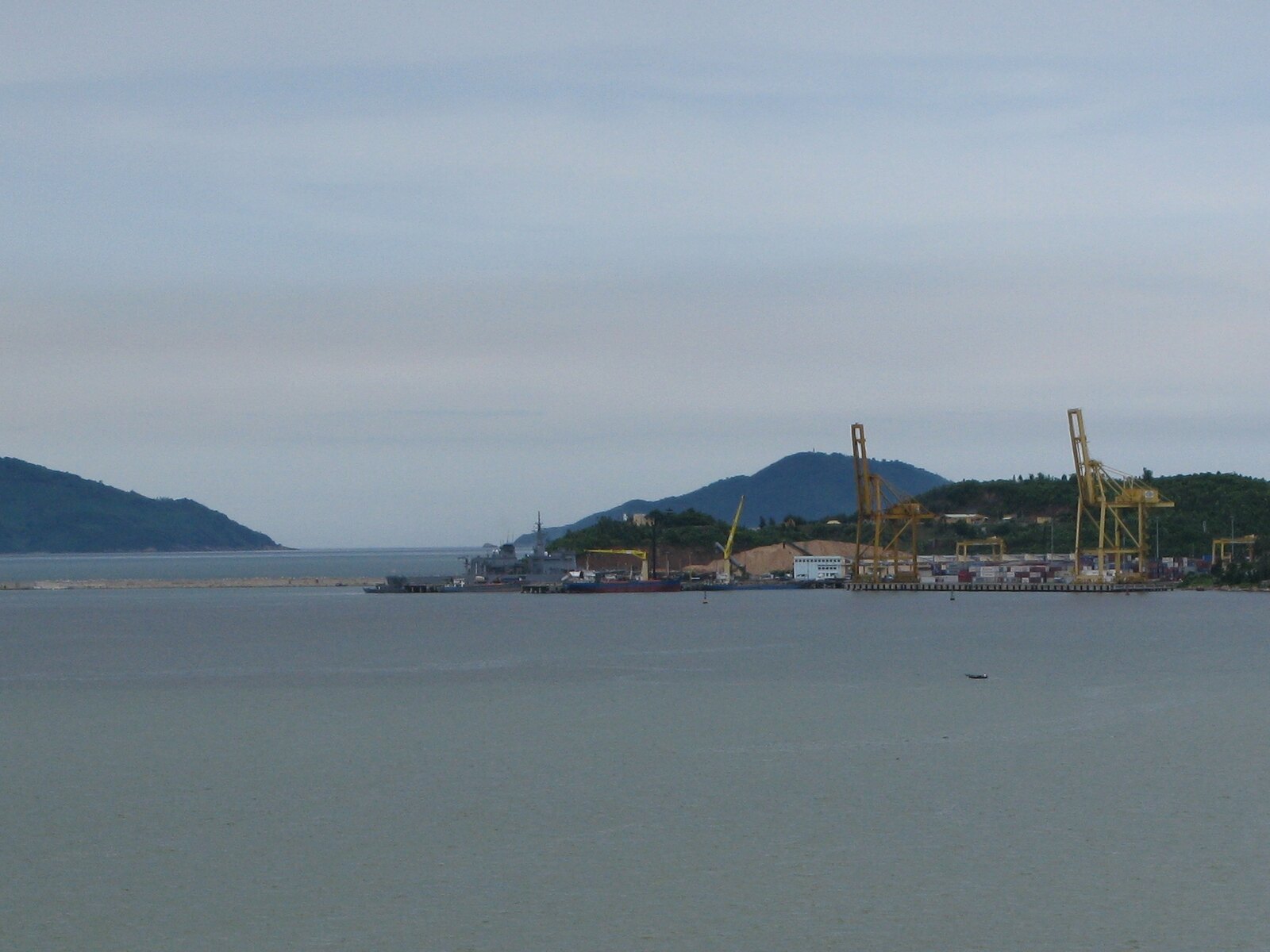
Experts at a 12 November consultation workshop said Da Nang's strength as a logistics hub lies in joining road, rail, sea and air links into one chain, not in its location alone, the city's official portal reported on 15 November. The workshop discussed a draft scheme to form an integrated multimodal logistics centre in the city.
According to the scheme's forecasts, as cited by the portal, potential container cargo is about 7.02 million TEU a year. Of that, 3.68 million TEU (52.4%) would originate in Da Nang and 3.34 million TEU from other provinces.
International transshipment is projected at about 1.4 million tonnes by 2035 and 8.6 million tonnes by 2050. The report stresses these are scenarios and do not guarantee cargo will come.
The draft network has 15 logistics centres in a three-tier hub, gateway and satellite model, with a northern cluster around Liên Chiểu and Da Nang airport and a southern one around Chu Lai-Tam Kỳ. Land needs are put at about 362 hectares by 2030 and 930 hectares after that. The largest sites listed are TT04 Chu Lai (about 225 ha), TT13 Liên Chiểu (175 ha), TT01 Thăng Bình (100 ha) and TT09 Hòa Nhơn (80 ha).
Speakers named bottlenecks. Nguyễn Huy Hoàng of the Ministry of Construction's strategy academy cited weak links between seaport, rail and inland container depots, and between seaport and airport.
He urged completing links among Liên Chiểu port, Kim Liên station, the Hòa Nhơn depot, industrial parks and the free trade zone. Another expert, Lê Hoàng An, proposed testing corridors through the Nam Giang or Lao Bảo border gates to the Laos-China railway, judged on total cost, transit time and customs procedures.
Vietjet Air deputy general director Đỗ Xuân Quang said Da Nang airport handled 41,561 tonnes of cargo in 2025, up 21.1%, while Chu Lai handled 236 tonnes. He proposed Da Nang focus on express parcels and high-value goods and Chu Lai on larger industrial cargo, and said Vietjet has spare capacity of over 20,000 tonnes a year. He also called for clearing congestion on the roads to the Da Nang air cargo terminal.
The article stresses phased investment matched to proven demand, to avoid building ahead of need.
Sources
This story was compiled by the Da Nang Voice news desk from the published sources listed above. Facts, figures and quotes are attributed to those sources; Da Nang Voice did not conduct interviews for it unless the text says so. Corrections are dated and noted at the top of the story. Read our corrections policy. Spotted an error? Tell us.