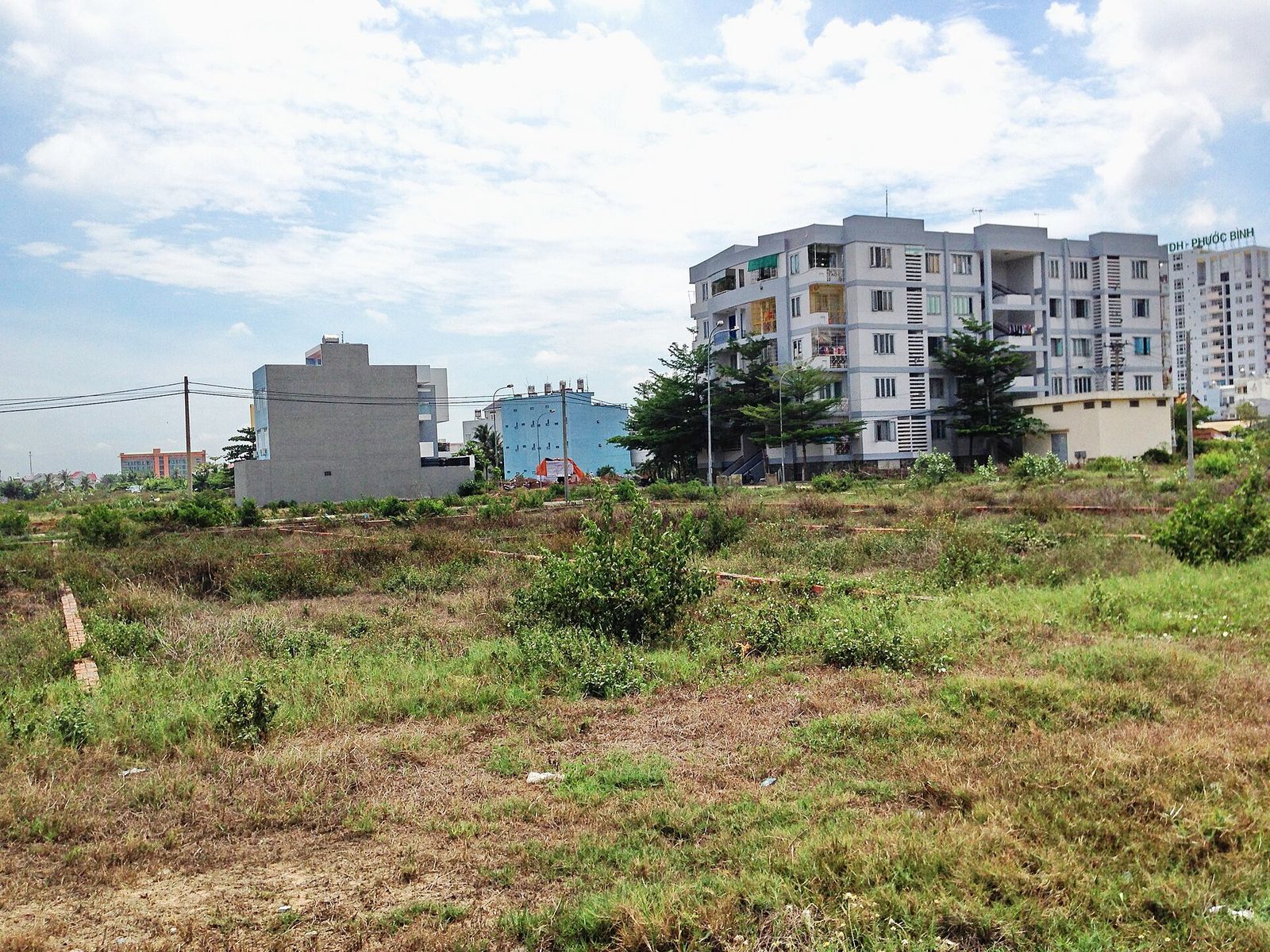
Ho Chi Minh City's 100-year master plan could open new ground for homes that middle-income households can afford, but an academic says a larger footprint will not guarantee lower prices.
According to Tuoi Tre News, the city is charting a path toward a megacity of more than 27 million people by 2050.
A report by property services firm DKRA Group put the average primary apartment price in the city at VND69.3 million ($2,685) per square meter in October 2026. At that price, a 60-square-meter apartment would cost about VND4.16 billion, or $161,000.
New supply has also been uneven, according to the report's figures. Savills data showed that the former Binh Duong Province accounted for more than 55% of the 21,165 apartments approved for sale in the first seven months of 2026.
Cushman & Wakefield found that high-end, luxury and ultra-luxury units made up 86% of new launches in the former Ho Chi Minh City area in the third quarter. That left only 14% in the mid-range segment.
The master plan envisions a multi-centered city with five growth poles and five satellite centers. The aim is to spread economic activity, infrastructure and services across the expanded metropolis.
Tran Hoang Nam, head of the Real Estate program at the University of Economics and Finance in Ho Chi Minh City, said the shift could support more diverse housing. He listed commercial and social housing, rental homes and rent-to-own options.
Nam cautioned that a larger footprint would not automatically make homes cheaper. He said the outcome depends on where housing is built, what types are supplied and whether they match residents' incomes.
He named four priority locations for affordable housing: emerging employment hubs, public transport corridors, developing urban areas and established neighborhoods suitable for redevelopment. Housing near industrial parks, high-tech zones and logistics centers could serve workers and young families.
He also argued that affordability should be measured against total living costs, not just property prices. A cheaper apartment far from work and without transport, he said, is not necessarily an economical choice.
Nam outlined five policy priorities, starting with securing land for affordable housing before growth centers take shape and land prices rise. He also proposed land value capture, with transparent use of the proceeds, and stronger incentives for developers to build moderately priced homes.
His remaining priorities were affordable housing targets built into the planning of each growth center and more options beyond outright ownership, such as long-term rentals and rent-to-own. He said the city should shape its housing market actively and not rely on market-driven supply alone.
Sources
This story was compiled by the Da Nang Voice news desk from the published sources listed above. Facts, figures and quotes are attributed to those sources; Da Nang Voice did not conduct interviews for it unless the text says so. Corrections are dated and noted at the top of the story. Read our corrections policy. Spotted an error? Tell us.