Ho Chi Minh City and southern Vietnam could see downpours of up to 100 millimetres in a short period from Friday evening through Saturday morning, even though the dry season began in mid-November.
According to VnExpress International, the Southern Regional Hydro-Meteorological Center blames a low-pressure trough combined with strong easterly wind disturbances.
Southern Vietnam and the city entered the dry season in mid-November, but unseasonal showers have continued in some areas. The rainy spell is expected to run from 17 to 29 November, and some places may record more than 100 millimetres in total.
Widespread rain is forecast from Friday evening through Saturday, mostly in the late afternoon, evening and overnight. On Saturday, showers could start earlier in the day.
By Sunday, the heaviest rain is expected to concentrate in Ca Mau and An Giang provinces and nearby parts of the Mekong Delta.
In the city, the downpours could coincide with Friday evening's high tide. The centre forecasts 1.57 metres at 7 p.m. at the Nha Be station in the south of the city, and 1.58 metres at 8 p.m. at the Phu An station on the Saigon River.
Low-lying areas and neighbourhoods with poor drainage could flood if heavy rain falls during that window. Meteorologists also warned that thunderstorms may bring whirlwinds, lightning and strong wind gusts.
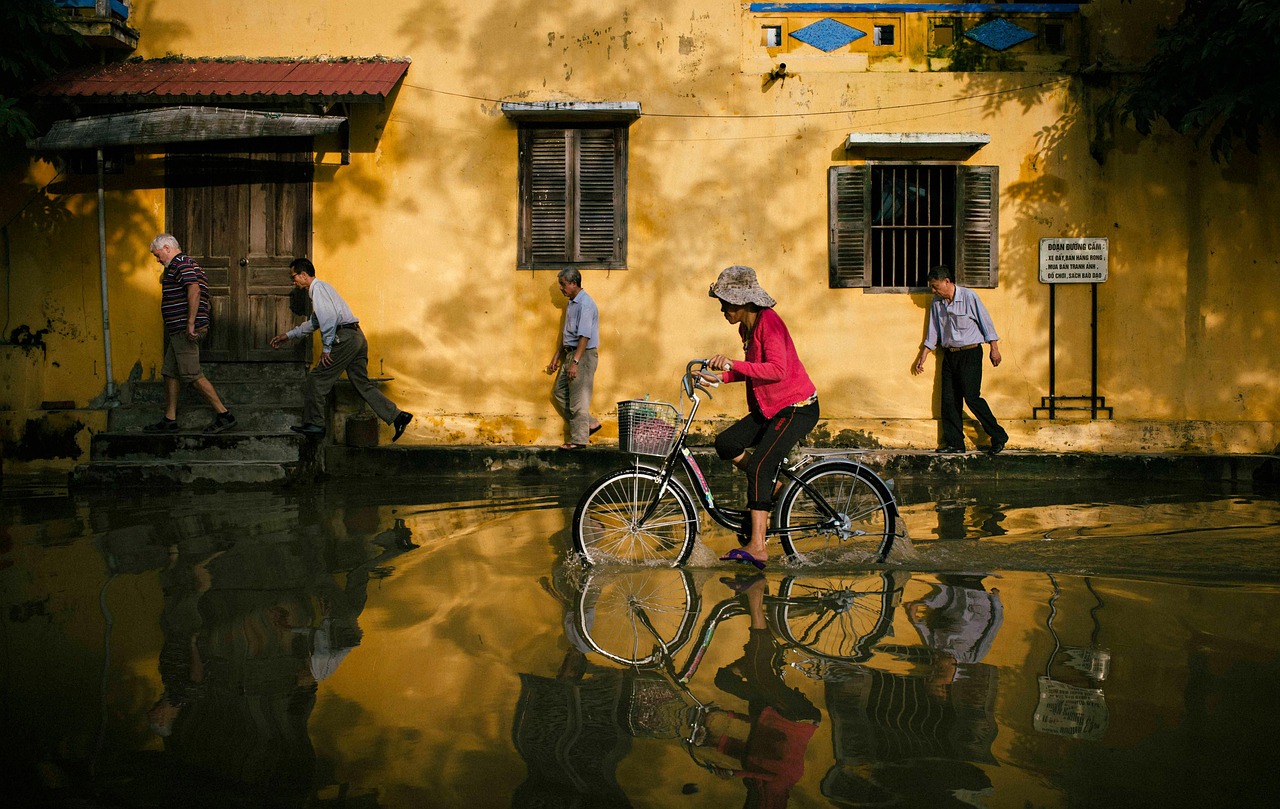
The accompanying photo in the report shows heavy rain flooding To Ngoc Van Street in Thu Duc Ward in September 2026, which made travel difficult for residents.
The short wet spell sits against a hotter-than-usual dry season ahead. The National Center for Hydro-Meteorological Forecasting expects hot, dry conditions linked to El Nino to be very strong from November 2026 through January 2027 before gradually weakening.
Southern temperatures are expected to run 1 to 2 degrees Celsius above the long-term average in December 2026 and January 2027. From February to April 2027, temperatures across much of the country should stay above average, and some areas may rise by more than 2 degrees.
In the southeast, including Ho Chi Minh City, hot weather could arrive earlier than usual in February 2027 and intensify in March and April. Higher temperatures combined with below-average rainfall could raise the risk of drought, water shortages and saltwater intrusion across parts of southern Vietnam.
Source: VnExpress International
Sources
This story was compiled by the Da Nang Voice news desk from the published sources listed above. Facts, figures and quotes are attributed to those sources; Da Nang Voice did not conduct interviews for it unless the text says so. Corrections are dated and noted at the top of the story. Read our corrections policy. Spotted an error? Tell us.