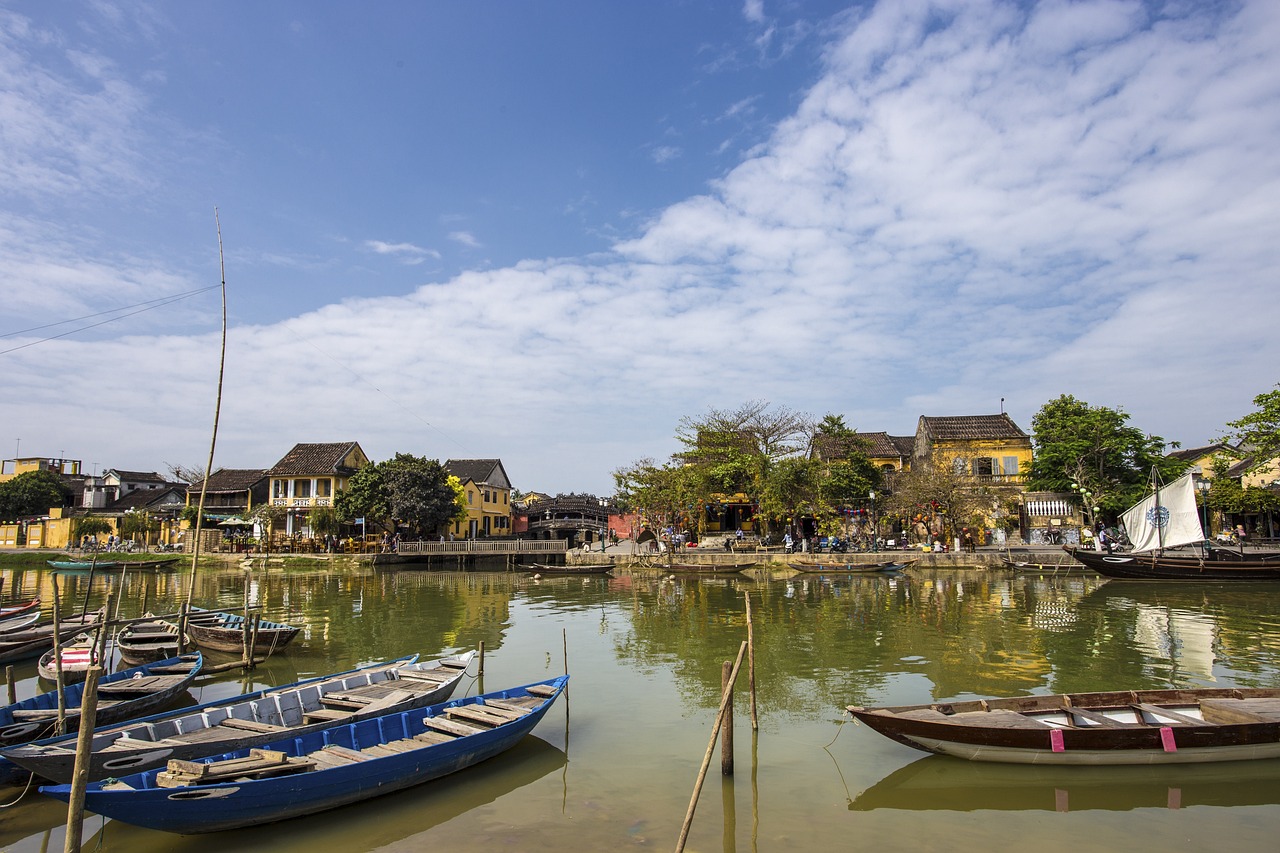
UNESCO is funding a US$21,000 technical assistance project to draw up a risk management plan for Hoi An Ancient Town, which Da Nang's city government approved on 23 November.
According to Thanh Nien, the grant is worth about 550 million dong and is non-refundable. The newspaper reports that the Da Nang Department of Culture, Sports and Tourism owns the project and will manage it directly.
The work will be carried out in Hoi An ward, with support coordinated through UNESCO's office in Vietnam. Its aim is to produce and publish a plan that strengthens the ability to prevent, reduce, respond to and recover from threats to the World Heritage site.
Those threats include natural disasters, climate change and human-caused disasters. Hoi An's low-lying riverside streets flood regularly in the rainy season, which makes such planning a practical matter as well as a heritage one.
The project has three components. The first is an assessment of the site and a risk management database, updated with information on hazards, vulnerability and threats to the town's heritage value.
The second component is consultation. Workshops will bring together UNESCO representatives, conservation and climate experts, disaster management agencies, other stakeholders and residents, and their feedback will be used to refine the plan.
The third component is drafting and publication. The plan is to be written to match UNESCO's guidelines, translated into Vietnamese and English, designed and printed.
Three outputs are expected from the project. They are a completed and updated risk management database for the ancient town, a summary report of the expert consultation workshops, and the published plan itself.
Thanh Nien's report does not give a start date, a completion date or the names of the experts who will take part. It also does not say how the plan will connect with existing flood-control works or the town's conservation rules.
Hoi An's old quarter is one of the most visited heritage sites in central Vietnam, and its wooden houses, riverside embankments and monuments such as the Japanese Covered Bridge are all exposed to heavy rain and flooding. Residents and shopkeepers who live and work in the old quarter are among the groups the consultation phase is meant to reach.
For readers in Da Nang and Hoi An, the practical outcome will be a public document rather than new construction. The plan is meant to set out what the town is vulnerable to and how local agencies should prepare for it.
The grant is small by the standards of infrastructure budgets, but UNESCO involvement gives the plan an international benchmark. Whether it leads to funded works will depend on decisions that the report does not describe.
Source: Thanh Nien
Sources
This story was compiled by the Da Nang Voice news desk from the published sources listed above. Facts, figures and quotes are attributed to those sources; Da Nang Voice did not conduct interviews for it unless the text says so. Corrections are dated and noted at the top of the story. Read our corrections policy. Spotted an error? Tell us.