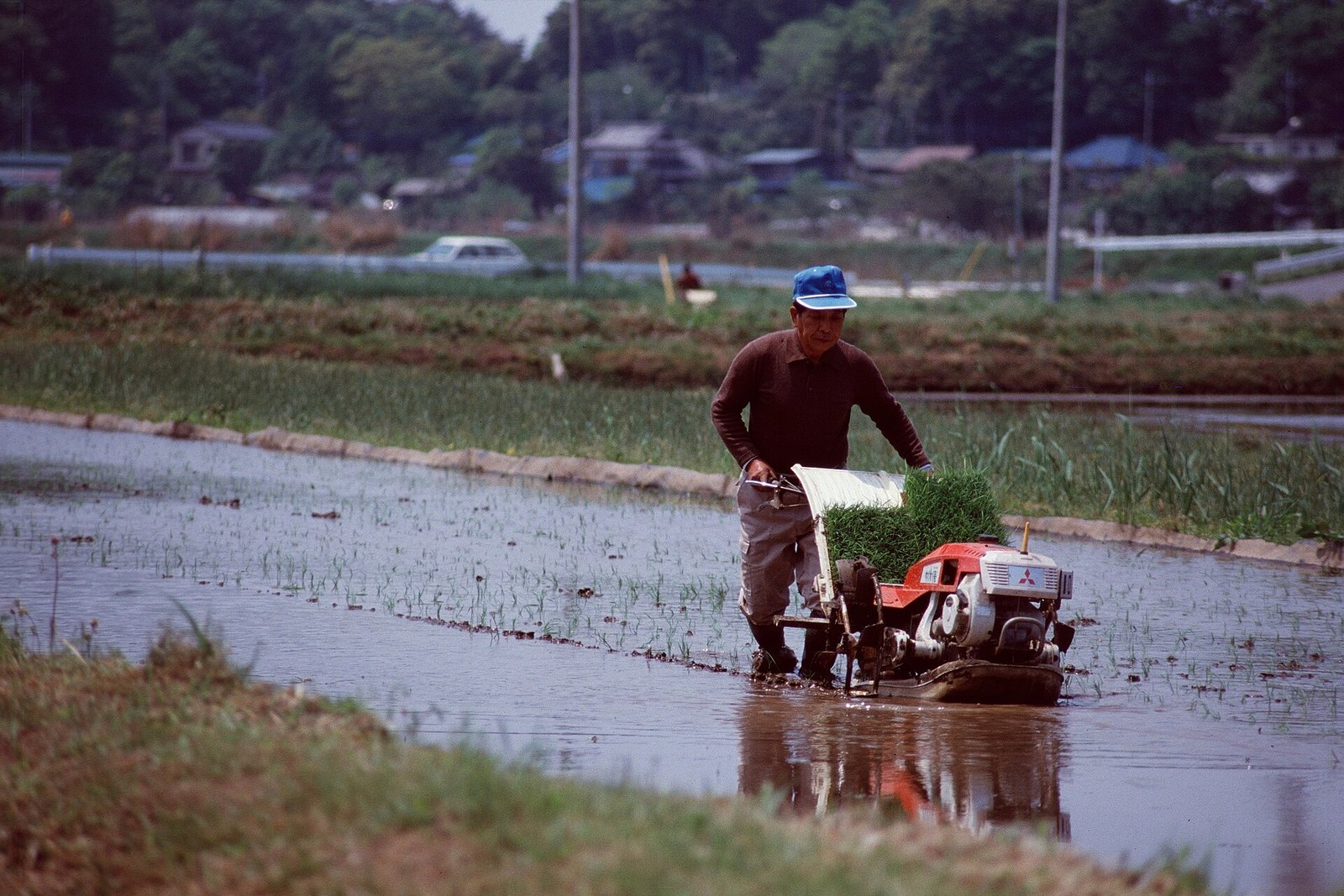
Japan is recruiting farm workers from Bangladesh and Nepal as Vietnamese candidates become harder to attract.
According to VnExpress International, much of the data comes from Kyodo News and Japan's Immigration Services Agency. Tokyo-based Mirai, which trains and places skilled foreign workers, has placed its first Bangladeshi farm-work candidates.
First Bangladeshi farm hands
Two students from a Mirai partner school in Bangladesh passed Japan's specified skilled worker agriculture exam in August. They have job offers from an agricultural company in Aomori Prefecture and will leave in the coming months.
Ahasan Habib, 21, wants to care for chickens and said he was "very excited" to learn Japanese agriculture. Siam Ur Rahman, 20, said he plans to work hard and looks forward to seeing snow.
The numbers
At the end of June, Japan had 44,050 Type 1 specified skilled workers in agriculture, up 26% on a year earlier. Indonesia was the largest supplier with 18,255, followed by Vietnam with 10,261.
Vietnam's share fell from about 26% to 23%. Bangladesh supplied 334 workers, up 127%, while Nepal supplied 916 and Sri Lanka 638.
Across all sectors Vietnam is still the largest source of Type 1 workers, with 163,154 of 425,961.
Why recruiters are looking elsewhere
Yuji Nomura of Sustainable Holdings, Mirai's parent company, said rising wages in Vietnam, the Philippines and other Southeast Asian countries are making recruitment harder. He described a shift to South Asia as a labour source.
Candidates need the N4 beginner Japanese test plus written and practical farming exams. Mirai offers free tuition at its partner schools and helps students find housing in Japan.
A cooling market in Vietnam
Japan was Vietnam's top destination for workers in 2025, with more than 64,600. This year it has fallen to second place, according to the Department of Overseas Labor Management.
Of 114,276 Vietnamese sent abroad on contracts in the first 10 months, 50,473 went to Taiwan and 45,658 to Japan. Pham Van Trong, an HR manager at a Hanoi company that has sent workers to Japan for over a decade, said each job order once drew seven or eight applicants and now draws about two.
He said his company's candidate supply has fallen about 60%. Unskilled construction work at home pays about VND20 million ($770) a month, he said, and the yen has weakened from about VND200-220 to VND160-170.
Trong said workers' total incomes are 1.2 to 1.5 times what they were a decade ago, but savings have not kept pace. "With the yen sliding and savings not growing, workers will think twice," he said.
Source: VnExpress International
Sources
This story was compiled by the Da Nang Voice news desk from the published sources listed above. Facts, figures and quotes are attributed to those sources; Da Nang Voice did not conduct interviews for it unless the text says so. Corrections are dated and noted at the top of the story. Read our corrections policy. Spotted an error? Tell us.