Quang Tri Province has issued a plan to turn farms and fishing villages into rural tourism products as part of its 2026 to 2030 rural development programme.
According to Tuoi Tre, the provincial People's Committee office announced the plan on 25 November, describing tourism as one of four pillars of the local economy.
The plan aims to move farmers from a purely agricultural mindset to a multi-value agricultural economy. Rural tourism is meant to diversify livelihoods, create jobs and raise incomes, with a focus on community tourism, ecotourism and sustainable agricultural experiences.
By 2030, each eligible commune should have at least one distinctive tourism site, model or product. At least 75 percent of workers in these models should receive training in vocational skills, service, food safety and digital skills.
The list covers dozens of sites in 19 communes, including orange, guava and grape gardens, lotus fields and craft villages in fisheries. The plan says support should depend on effectiveness and long-term viability.
It adds that tours become real products only when local residents manage them and travel companies bring visitors. Kim Phu commune has the grape garden in Trung Hoa hamlet, Yen Phu lake, the Phu Nhieu 4 cave and a from-stone-cave-to-village journey with the Ruc people in Yen Hop hamlet.
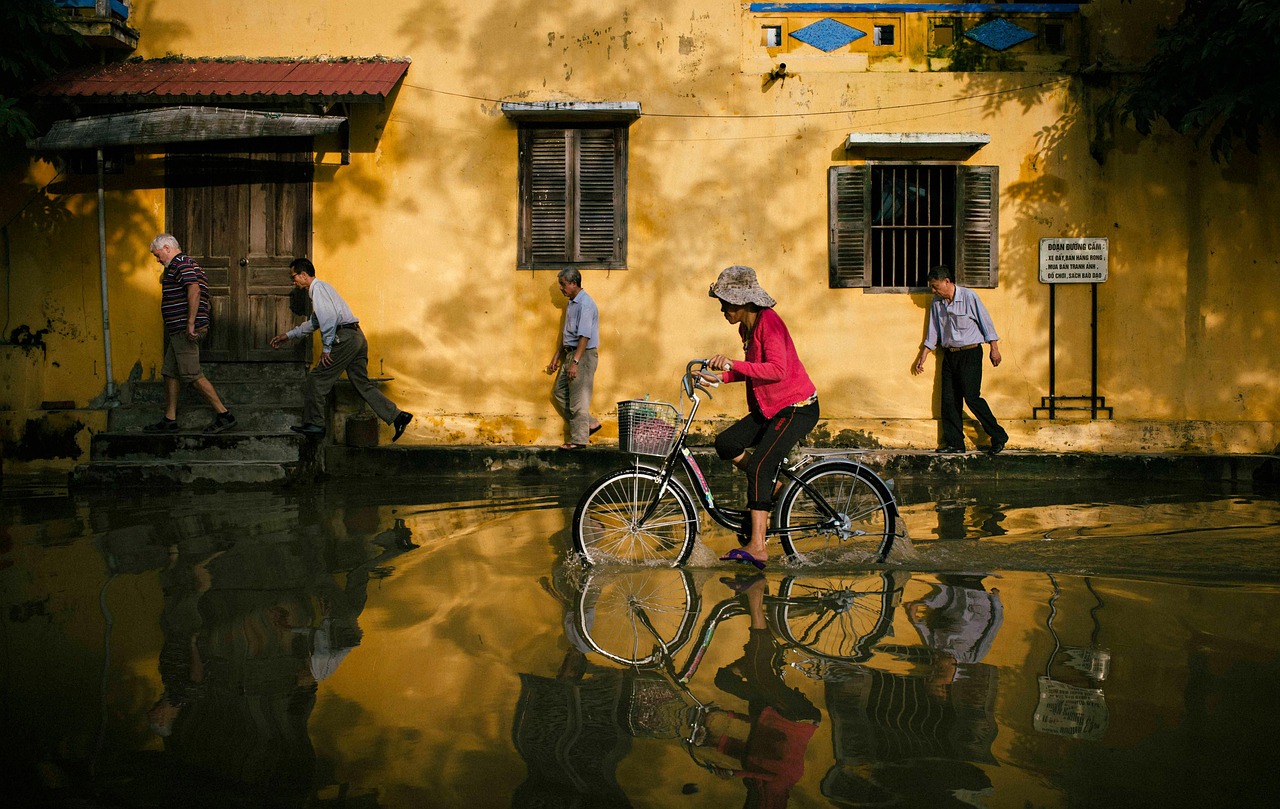
During the rainy season, the valley at the gateway to Yen Hop is often flooded for long periods, so waterways replace the concrete road. A sample day could begin with coffee in the morning mist and end with grape picking in the afternoon.
In Le Ninh commune, the rice fields around Hac Hai lagoon are planned as a rustic countryside product. Cua Tung commune proposes a community tour in Vinh Moc fishing village combining history, culture, fishing and seafood.
The village sits next to the Vinh Moc tunnel system, where visitors walk through narrow tunnels cut into basalt clay to learn how people sheltered underground. The tour continues to the sea, where visitors meet boats bringing in the catch, cook with fishermen and eat seafood in the village.
Vinh Hoang commune offers an extension north to lotus fields and several eco-farms. The report did not give a budget for the plan.
Source: Tuoi Tre
Sources
This story was compiled by the Da Nang Voice news desk from the published sources listed above. Facts, figures and quotes are attributed to those sources; Da Nang Voice did not conduct interviews for it unless the text says so. Corrections are dated and noted at the top of the story. Read our corrections policy. Spotted an error? Tell us.