Vietnam's National Assembly has passed an amended Land Law that changes how land prices are set and defines idle land for the first time, VnExpress reported. The vote took place on the morning of 21 November, with more than 97 percent of deputies in favor.
The law removes the specific land-price provisions and the advisory bodies that used to determine prices. The state now sets prices under five principles, including alignment with development goals, proper procedure, reliance on land and sector data, and a balance among the state, land users and investors.
From 1 January 2028, provincial People's Councils will set land price tables and the K adjustment coefficient every three years. The provincial finance agency drafts revisions, the People's Committee appraises them, and the People's Council decides.
Those tables will be used for budget revenue from land, auction starting prices, compensation for land recovery, and valuing land when public units become enterprises or state firms become joint-stock companies.
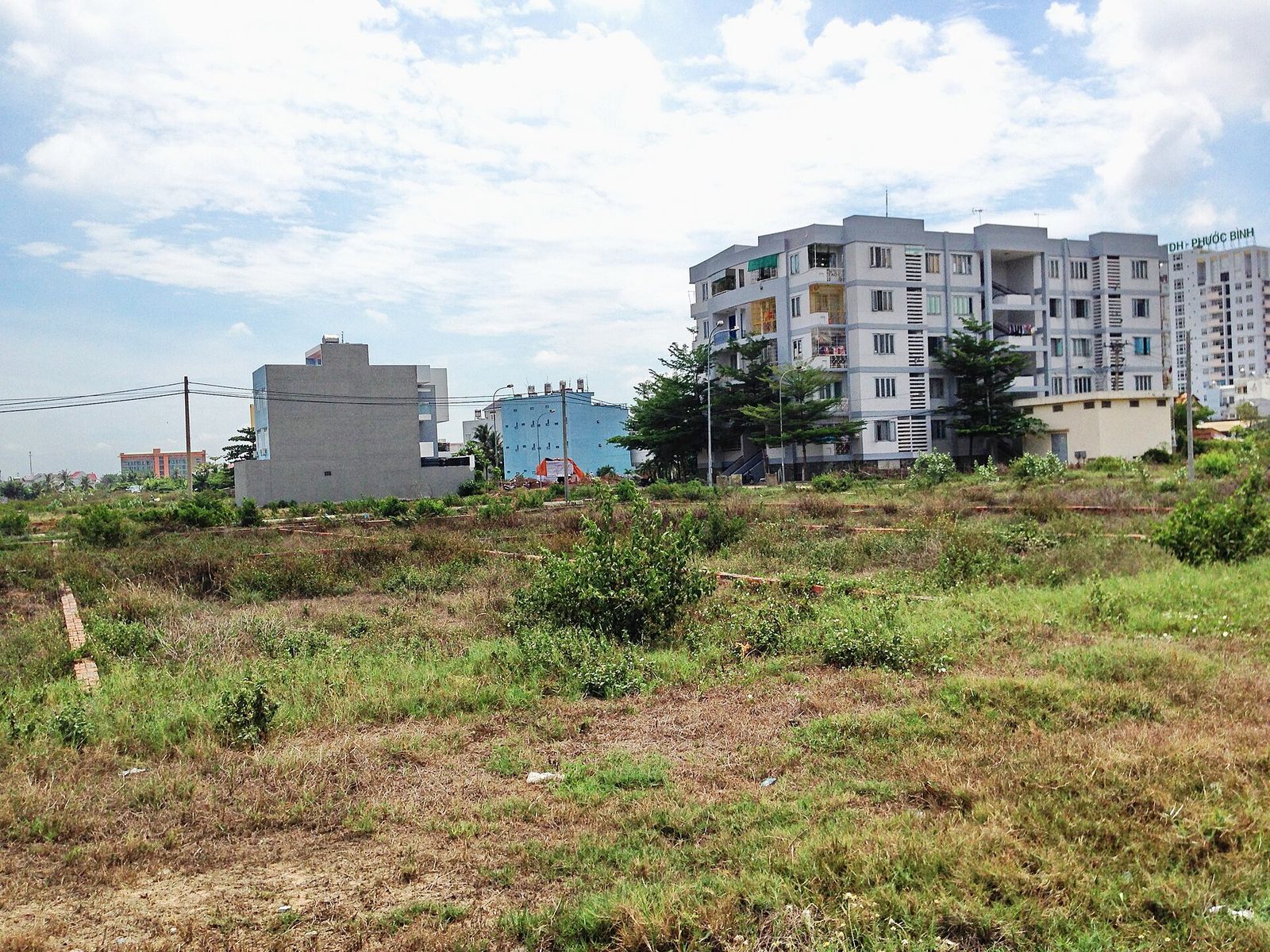
Idle land is defined as state-allocated or leased land not used continuously for a set period, or land whose project finishes later than scheduled. A 0.2 percent tax on idle land applies from 1 July 2027 under the non-agricultural land use tax law passed on 20 November.
Land can now also be recovered for projects built through land transfers that miss their deadlines, once more than 75 percent of the area and of land users agree.
Compensation follows an order of land first, then housing, then money, and livelihood support funding must run for at least three years. The report does not give a general effective date for the Land Law. Danang Voice has not seen the law's text; the details here are as reported by VnExpress.
Sources
This story was compiled by the Da Nang Voice news desk from the published sources listed above. Facts, figures and quotes are attributed to those sources; Da Nang Voice did not conduct interviews for it unless the text says so. Corrections are dated and noted at the top of the story. Read our corrections policy. Spotted an error? Tell us.