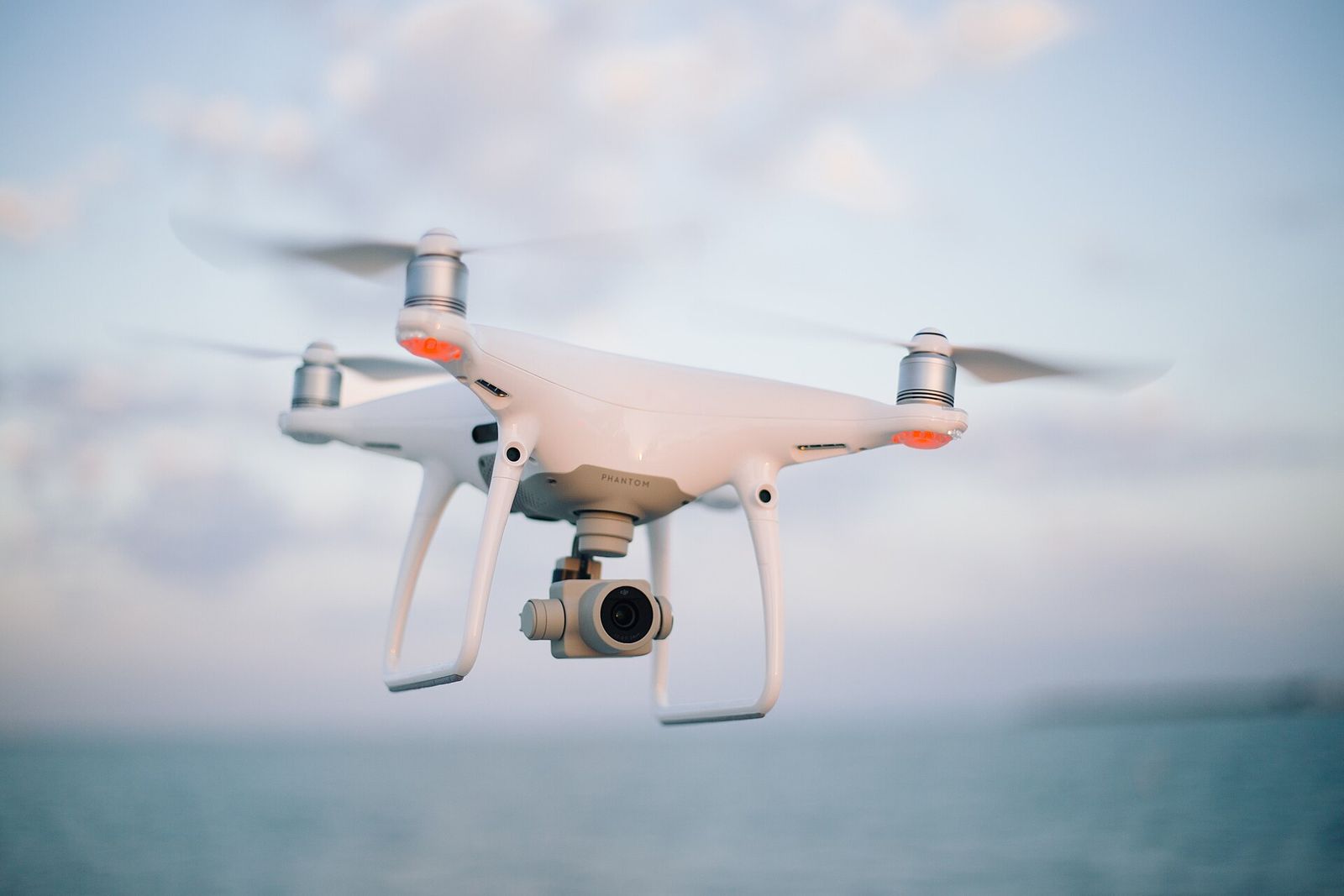
Vietnam's Ministry of Public Security says drones entering airport no-fly zones are the most common threat to aviation, and it wants a dedicated Law on Aviation Security.
According to Thanh Nien, the ministry is taking public comments on its policy dossier until 29 November, and its submission to the government calls the law necessary.
The ministry says the global aviation security environment has been structurally unstable since the Covid-19 pandemic, mixing traditional and non-traditional threats. Vietnam's civil aviation keeps growing, with 131 foreign airlines and seven Vietnamese airlines operating.
The figures on drones are the core of the case. In 2025 there were 34 intrusions by unmanned aircraft into no-fly zones at three airports nationwide, and in the first nine months of 2026 there were 28 cases at seven airports.
Those airports are Noi Bai, Tan Son Nhat, Cat Bi, Da Nang, Cam Ranh, Dien Bien and Vinh. Near Tan Son Nhat, border officers found 219 unmanned-aircraft devices operating inside the no-fly zone.
Da Nang's own detection system logged 1,096 drone entries into the no-fly zone between 15 June and 10 September 2026. At Cat Bi, three kite or drone cases in the first nine months affected flights, and two involved objects whose origin could not be identified.
The ministry also cites past disruption. At Tho Xuan airport in June 2025, drones repeatedly entered the airport area over several days, causing one delay, five diversions and five cancellations, with about 4.5 billion dong in losses and aircraft reception suspended for two days.
At Tan Son Nhat on 11 August, an unauthorised drone caused more than 60 billion dong in damage and three flights made emergency landings. On 13 August 2026 a kite carrying a light affected 21 flights.
Drones are not the only risk the ministry lists. It also points to transnational crime using air transport to smuggle drugs and goods and to commit commercial fraud, passengers carrying weapons, explosives or hazardous materials, unruly behaviour, threats, hoaxes and unauthorised entry, insider threats and cybersecurity.
The proposed measures include stronger coordination between agencies on airspace control and drone management, cybersecurity safeguards, information sharing, control of no-fly lists, and proactive prevention and interception of threats. The ministry's earlier outline grouped its aims into four policy groups, covering the legal framework, operating mechanisms, quality control and resources.
The timetable is long. The ministry proposes submitting the bill to the National Assembly at its fourth session of the 16th term, in October 2027, and if passed the law would take effect on 1 June 2028.
For now the proposal is a draft policy dossier open for comment, and its provisions could change. Separately, Dong Nai police announced drone no-fly zones around Long Thanh airport on 23 November.
Sources
This story was compiled by the Da Nang Voice news desk from the published sources listed above. Facts, figures and quotes are attributed to those sources; Da Nang Voice did not conduct interviews for it unless the text says so. Corrections are dated and noted at the top of the story. Read our corrections policy. Spotted an error? Tell us.