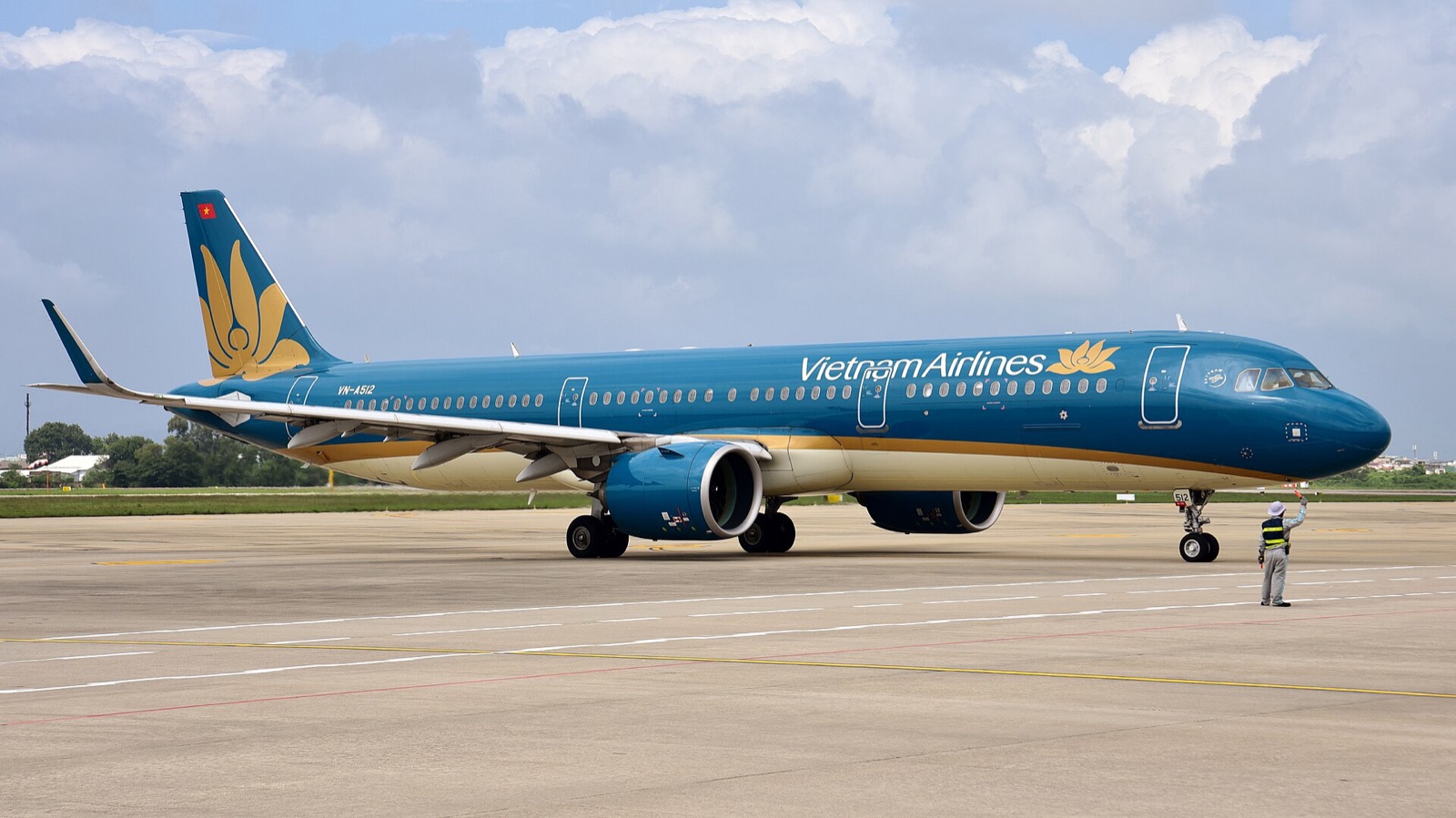
The Ministry of Construction has agreed that Vietnam's maximum domestic airfare should not be raised for now.
According to Thanh Nien, Deputy Minister of Construction Le Anh Tuan signed a document to the Civil Aviation Authority of Vietnam (CAAV) saying the ceiling should not be adjusted at this time.
The question arose in May, when jet fuel prices were volatile. The ministry asked CAAV to work with airlines on a possible adjustment after a proposal from Vietnam Airlines, and CAAV reported back to the ministry in mid-July.
The fuel pressure is real. IATA data dated 23 October put Asian Jet A-1 at US$179.48 a barrel, close to the May peak and nearly double the level in the first quarter of 2026.
Thanh Nien reports that the Middle East conflict and high fuel costs significantly hurt domestic carriers' results in the first half of the year. Airlines had therefore argued for more room to raise prices.
CAAV's survey did not support that case. It found that average economy fares on the surveyed routes rose in the second quarter compared with the first, but stayed between 43 percent and 69 percent of the regulated maximum.
On that basis CAAV concluded that the existing ceiling already leaves airlines room to set fares according to market conditions and actual operating costs. The ministry accepted that view.
The decision matters for travellers heading into the Tet season, when demand for domestic seats peaks. Because average fares sit well below the cap, the ceiling is not what limits ticket prices on most routes, and the cap only restrains the most expensive fares in the busiest periods.
The ruling leaves the ceiling unchanged rather than closing the issue for good. The ministry's wording was that the maximum should not be adjusted "at this time", which leaves room to revisit it if fuel costs move again.
Airlines have also been under separate pressure over fares. Earlier this month the aviation authority asked carriers to manage prices as fuel costs eased ahead of Tet 2027.
Readers planning Tet travel should still expect fares to track demand rather than the cap. Prices on popular dates are set by each airline within the limit, and the limit itself has not moved.
Sources
This story was compiled by the Da Nang Voice news desk from the published sources listed above. Facts, figures and quotes are attributed to those sources; Da Nang Voice did not conduct interviews for it unless the text says so. Corrections are dated and noted at the top of the story. Read our corrections policy. Spotted an error? Tell us.