Sleeper tickets on some Tet-season trains between Ho Chi Minh City and central Vietnam now cost more than a flight on the same route.
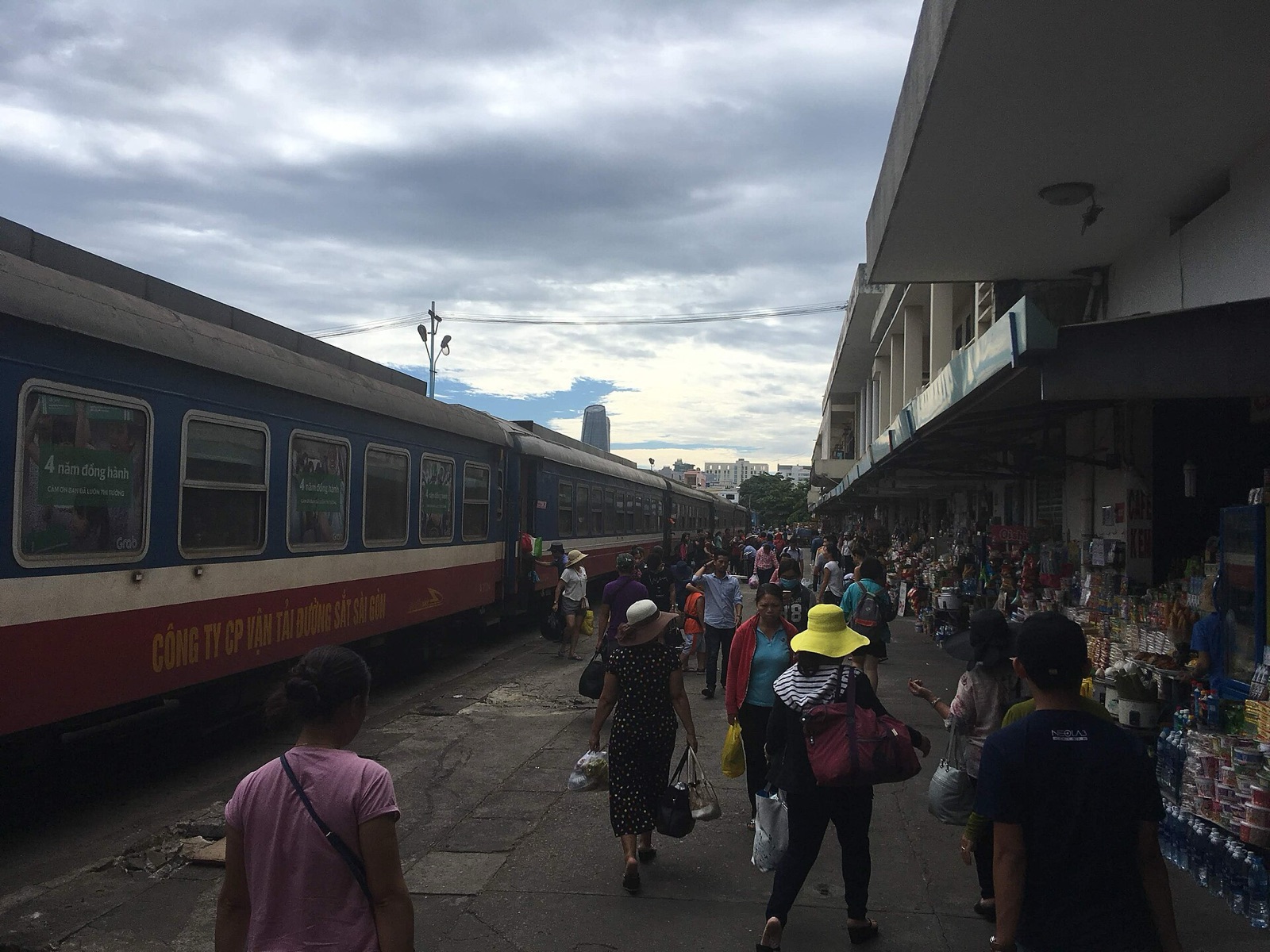
According to Dan Tri, a four-berth sleeper from Ho Chi Minh City to Da Nang on 1 February 2027, the 25th day of the 12th lunar month, was listed at about 3.4 million dong on the afternoon of 23 November.
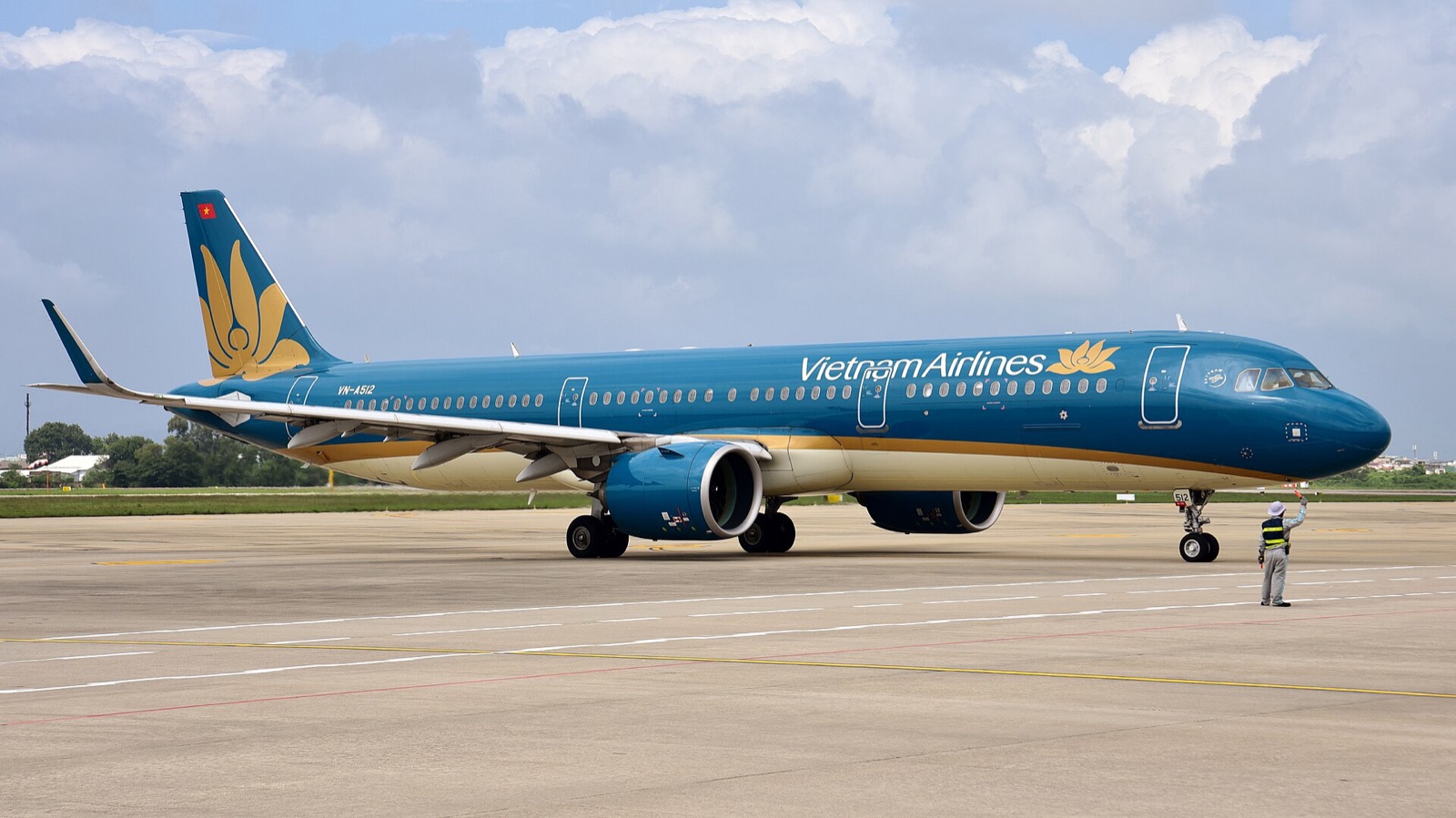
Flights on the same route were quoted at about 2.2 million dong on Vietjet and 2.3 to 2.4 million dong on Sun PhuQuoc Airways and Vietnam Airlines. A seated ticket for that date was above 2.1 million dong, and the paper reported that remaining seats were limited.
On an ordinary day the picture is very different. Dan Tri found a seated ticket on train SE8 on 30 November for 629,000 dong, and a four-berth sleeper for about 1.1 million dong.
One passenger quoted by the paper, a Ho Chi Minh City resident planning to travel home to central Vietnam, said a six-berth sleeper for the Tet date cost about 3.7 million dong. Her family normally pays about 1.2 million dong for the same trip, and she said she may switch to another mode of transport if prices stay high.
Other routes show similar jumps. Between Ho Chi Minh City and Hanoi, a seated ticket on an ordinary day costs just over 1 million dong and a four-berth sleeper about 1.8 million dong, while some seated tickets for 1 February were about 1.9 million dong.
For Quang Ngai on the same date, a four-berth sleeper was listed at 2.8 to 3.7 million dong depending on the train and departure time. A six-berth sleeper was priced at 2.5 to 2.7 million dong.
The paper notes that fares depend on the train brand, departure time, carriage type, seat position, speed, number of stops and comfort. It advises travellers to compare journey time and service, not only the headline price.
A railway official told Dan Tri that the company has not changed fares because diesel, which powers locomotives, moved only slightly. Diesel fell over four consecutive adjustments from early November to 19 November, from 30,246 to 26,347 dong a litre, a drop of 3,899 dong or about 12.9 percent.
The official said the railway did not raise fares after earlier diesel increases, so the recent falls do not yet justify a revision. The latest cuts, the paper said, applied mainly to petrol rather than diesel.
Round-trip discounts are available for return legs in two windows, 7 September to 19 November and 25 November to 30 December. Individual buyers get 20 percent off the return leg when booking one to 19 days ahead and 30 percent off when booking 20 days or more ahead, with extra discounts for groups.
For the Tet 2027 season, the railway plans to run 57 trains with more than 800 carriages between 23 January and 25 February. Seven daily Thong Nhat train pairs will be supplemented by extra services between Hanoi and Ho Chi Minh City, with added capacity on routes from Ho Chi Minh City to Vinh, Quang Ngai and Nha Trang.
Around the 5 to 8 February holiday, extra trips are planned from Ho Chi Minh City to Da Nang, Tam Ky, Dieu Tri and Nha Trang, depending on demand. The railway says these will be added according to ticket sales.
The Ministry of Construction told transport regulators on 6 November to tighten fare management, and said fares must not rise with fuel prices and then stay unchanged when fuel prices fall. Inspectors will check that fares are declared, posted and sold at listed prices, and violations will be penalised.
Sources
This story was compiled by the Da Nang Voice news desk from the published sources listed above. Facts, figures and quotes are attributed to those sources; Da Nang Voice did not conduct interviews for it unless the text says so. Corrections are dated and noted at the top of the story. Read our corrections policy. Spotted an error? Tell us.