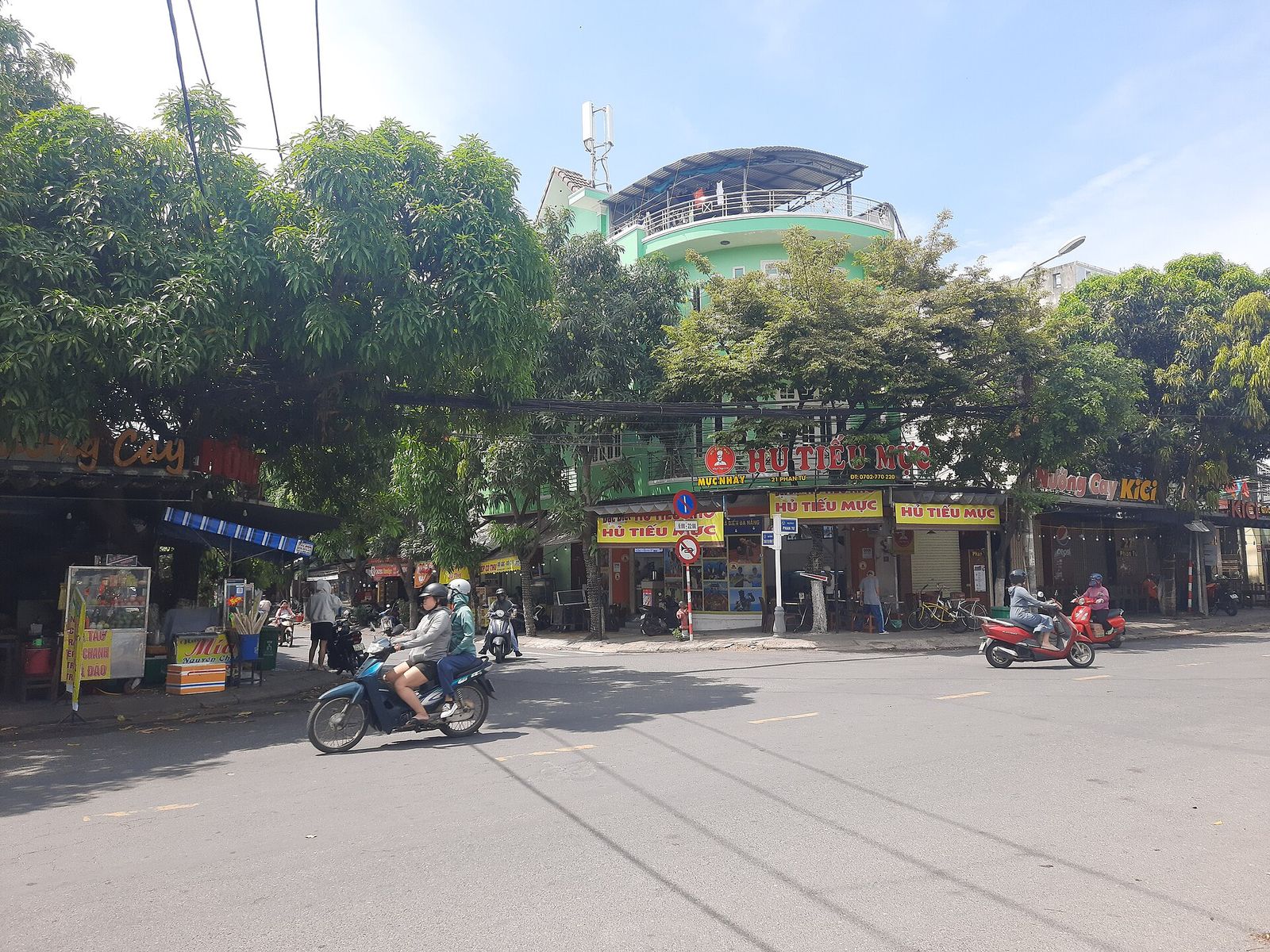
Private houses in Da Nang may no longer be built from temporary materials such as thatch, bamboo, reed or leaves, under new urban architecture rules that took effect on 30 October, Tuoi Tre reports. The regulation, issued by the Da Nang People's Committee, covers the city and surrounding areas.
The ban in Article 13 does not apply where special architectural requirements exist and the competent authority grants permission. Houses must also meet national building standard QCVN 01:2021/BXD, with attention to fire safety, durability, air quality, natural light, and protection against typhoons and floods suited to the central coast.
In urban areas, a house must follow an approved detailed plan or urban design, or the approved sub-zone plan where none exists, including indicators such as building density and setbacks. The rules also set height limits by road width. On streets with pavements, a carriageway under 5.5 metres allows up to six floors, under 7.5 metres up to seven floors, and 7.5 to under 10.5 metres up to nine floors.
On wider roads, height is governed by the land-use coefficient, which for private houses may not exceed 7. In alleys and on roads without pavements, a right-of-way under 2.5 metres allows three floors up to 13 metres, 2.5 to under 7 metres allows four floors up to 16.5 metres, and 7 metres or more allows five floors up to 20 metres.
For rural houses, Article 14 encourages sloped roofs and traditional materials, though Tuoi Tre's report does not give its full text. The report does not state the decision number or issuance date.
Sources
This story was compiled by the Da Nang Voice news desk from the published sources listed above. Facts, figures and quotes are attributed to those sources; Da Nang Voice did not conduct interviews for it unless the text says so. Corrections are dated and noted at the top of the story. Read our corrections policy. Spotted an error? Tell us.