Plenty of visitors walk past it on the way to the Dragon Bridge. That's a mistake. A short walk from the river, Da Nang keeps the largest collection of Cham sculpture in the world, more than a thousand years of Hindu and Buddhist art from a kingdom that ruled this coast before Vietnam did.
A museum older than the modern city
The idea came from French archaeologists. In 1902, the archaeology department of the École française d'Extrême-Orient (EFEO) first proposed a museum in Da Nang for Cham sculpture. Archaeologist Henri Parmentier became its driving force, according to Wikipedia's history of the museum. Before there was a building, sculptures collected from ruined temples across the region were gathered in what locals called a "garden of sculptures."
The museum was established on the west bank of the Han River in late 1915, and Parmentier's first catalogue, published in mid-1919, marked its official opening, Viet Nam News reported. The original building, designed by two French architects with Cham-inspired details at Parmentier's urging, was extended in the 1930s and again in 2002.
Parmentier's most lasting decision was how to hang the collection: by the site where each piece was found. That's why the galleries still read like a map of lost temples, with names like Mỹ Sơn, Trà Kiệu, Đồng Dương and Tháp Mẫm.
What's inside
The collection runs from the 5th to the 15th century, according to Viet Nam News, and includes Sa Huỳnh artifacts thought to be 2,500 to 3,000 years old. Expect:
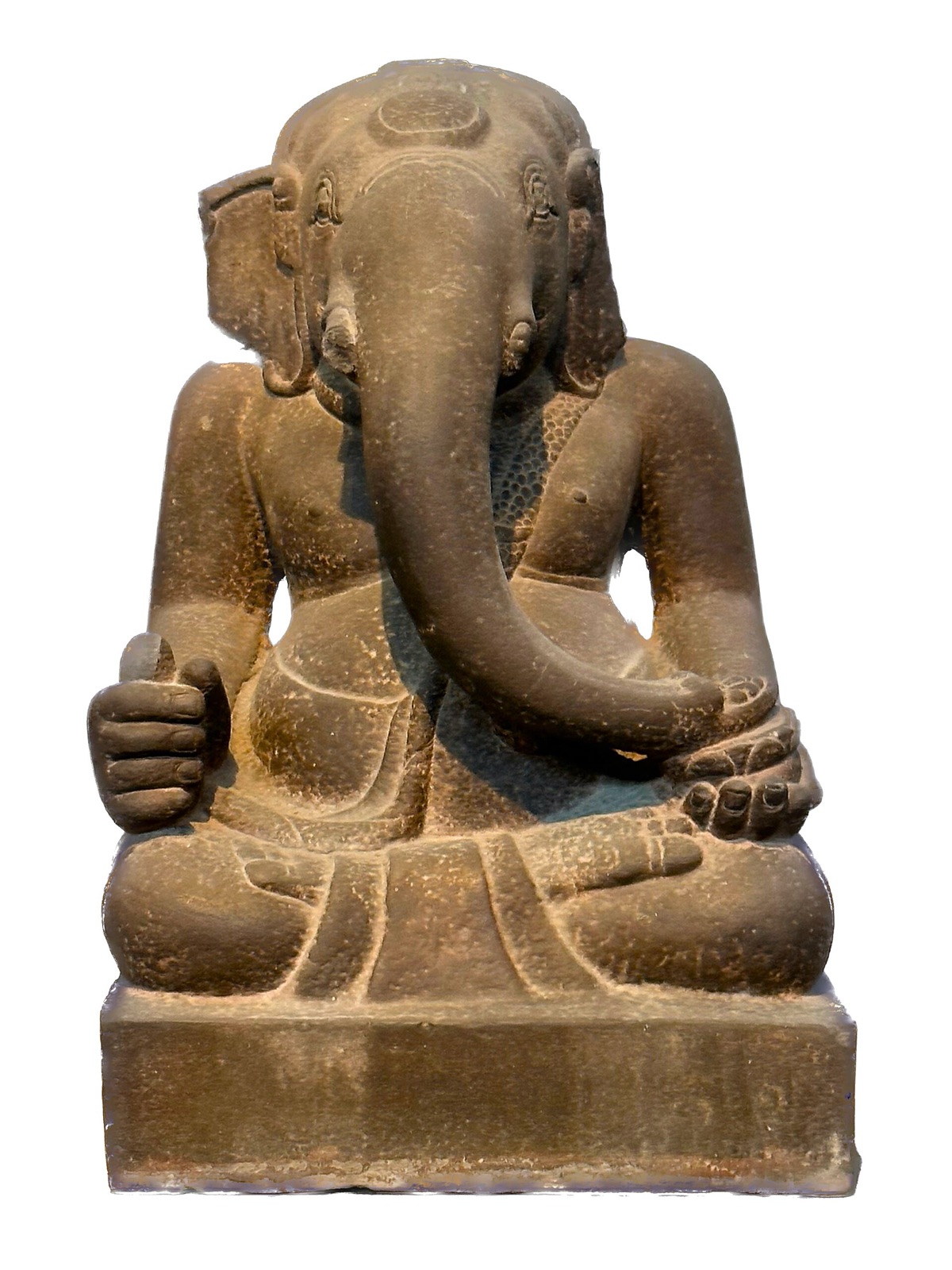
- Hindu gods: Shiva, Brahma, a seated Ganesha, Garuda and Nandi, carved in sandstone.
- Buddhist art from Đồng Dương: the great altar pedestal of the 9th-to-10th-century Buddhist complex is one of the museum's anchors.
- Dancers and musicians: the Trà Kiệu pedestal's apsaras, celestial dancers carved mid-movement, are among the most celebrated pieces.
- Mythical animals: dragons and gajasimha (elephant-lions).
National treasures
Several pieces carry Vietnam's highest heritage designation, national treasure, and the list keeps growing. In late 2025, a special exhibition showed 19 national treasures to the public for the first time, 14 of them originals, including the Tara/Avalokiteshvara statue, the Trà Kiệu, Mỹ Sơn E1 and Đồng Dương pedestals, Đông Sơn bronze drums and sandstone Ganesha and gajasimha statues, Viet Nam News reported. Museum director Lê Thị Thu Trang called it "a real experience opportunity for both domestic and international tourists."
Why it matters now
The 2025 merger brought the old Champa heartland, Mỹ Sơn, Trà Kiệu and the Đồng Dương site, inside Da Nang's city limits. The temples are in the hills. Much of their finest sculpture is in this building. Seeing the museum first makes a trip to Mỹ Sơn make sense, and seeing Mỹ Sơn makes the museum unforgettable.
It also answers a question the city's tourism marketing rarely asks: whose land was this before? The Cham built here for a thousand years. The best evidence of that is a short walk from the Dragon Bridge.
Before you go
Opening hours and ticket prices change, so check with the museum before you visit. Give it at least an hour, start with the Mỹ Sơn gallery, and read the labels. The order is Parmentier's, and it still works.
Sources
This story was compiled by the Da Nang Voice news desk from the published sources listed above. Facts, figures and quotes are attributed to those sources; Da Nang Voice did not conduct interviews for it unless the text says so. Corrections are dated and noted at the top of the story. Read our corrections policy. Spotted an error? Tell us.