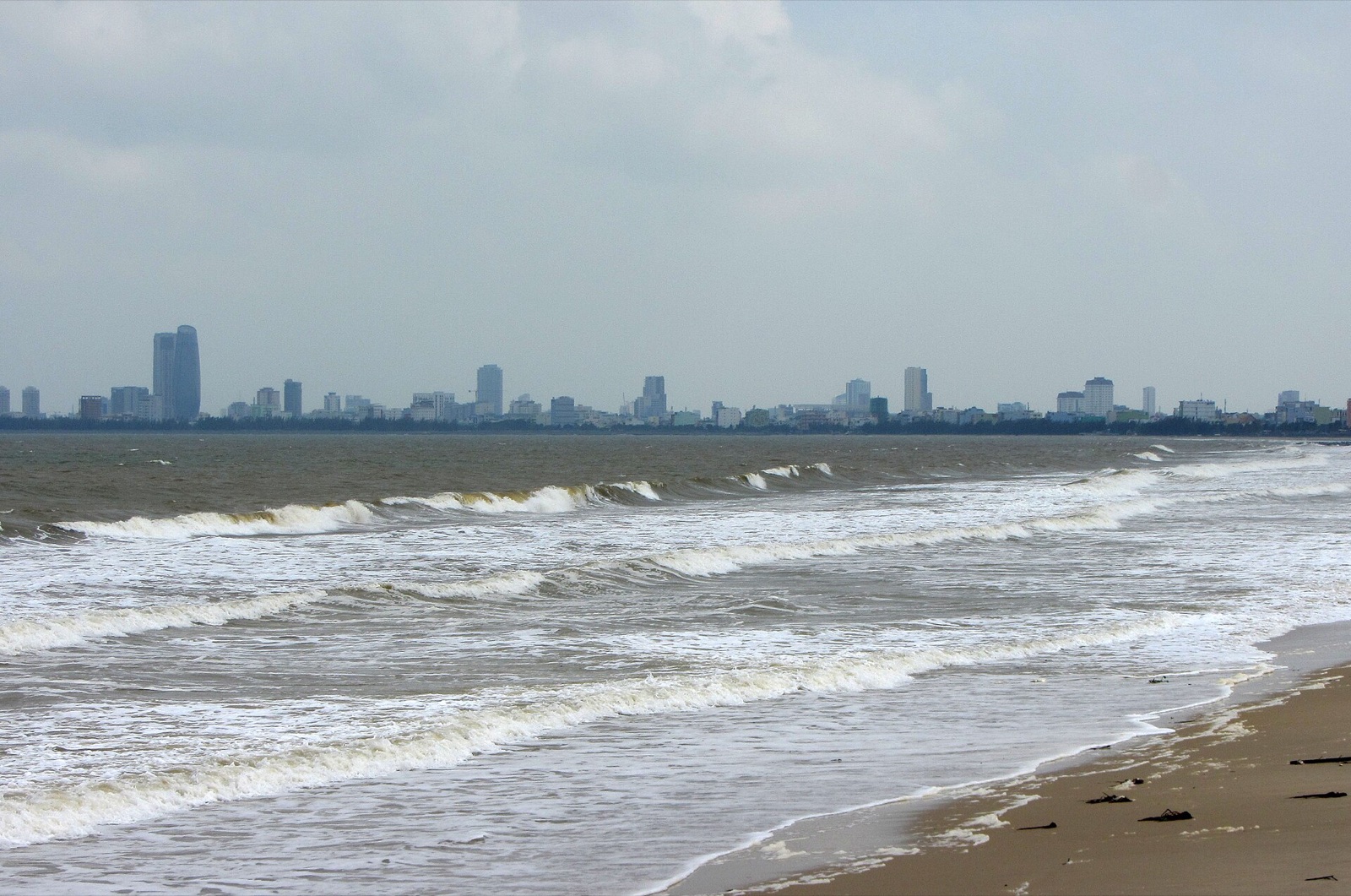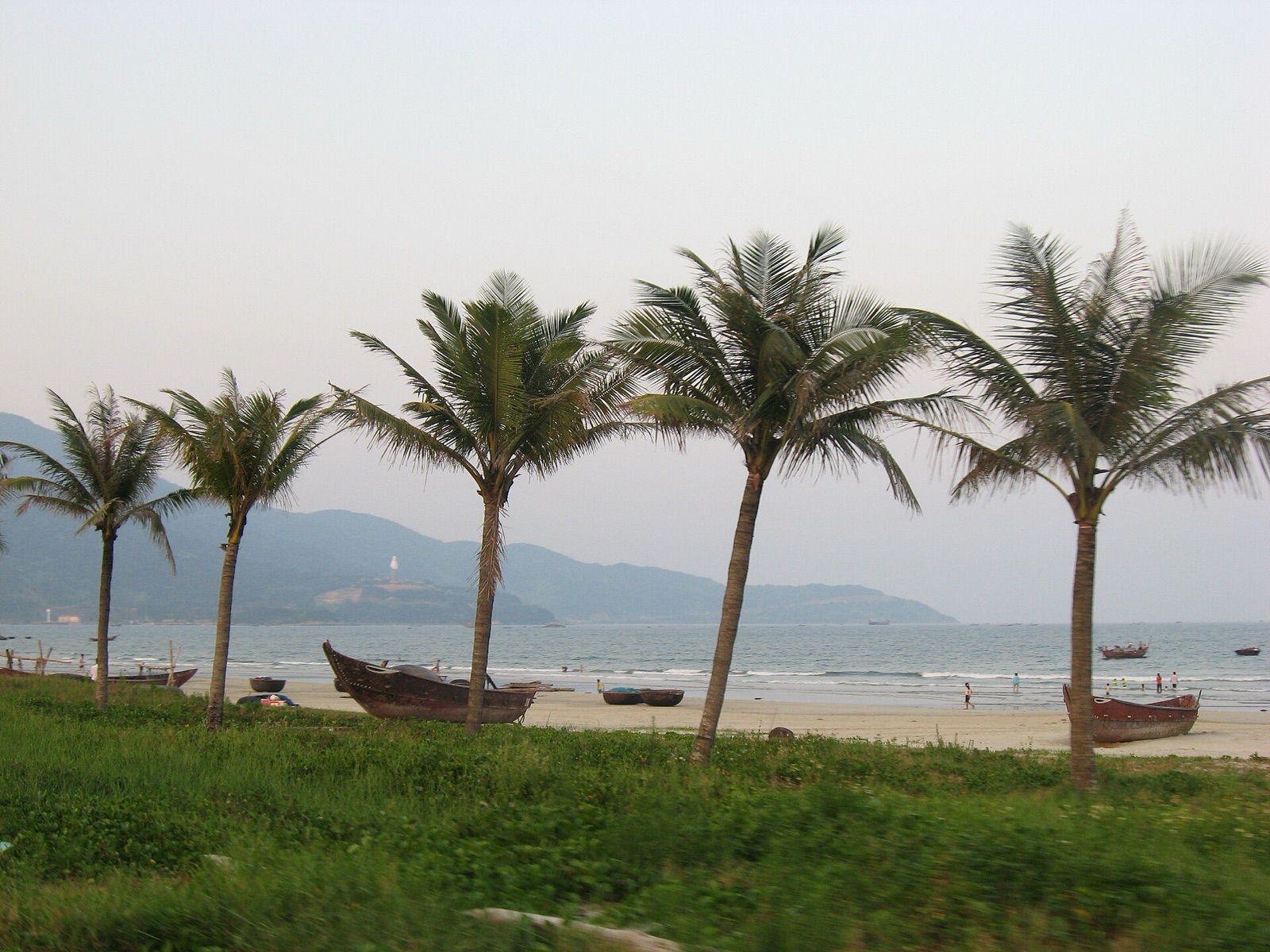
Few cities have a forested mountain full of endangered monkeys within sight of downtown. Da Nang does: Son Tra, the green hump at the north end of the beach, about 10 kilometers northeast of the city center. Some of it has been chipped away for resorts and roads. What's left is still the city's best argument that it's more than a beach strip.
Last verified: October 11, 2026. Routes close in bad weather and rules change. Check with the Son Tra Peninsula and Da Nang Tourist Beaches Management Board before you go.
What the peninsula is
Son Tra covers about 60 square kilometers and rises to nearly 700 meters, with close to 4,000 hectares of forest, according to Vietnamese Wikipedia's entry. It was declared a national-level nature reserve after 1977, and in 1992, 4,400 hectares were recognized as a conservation area. By late 2016, about a quarter of that area had been lost to a national tourism zone project, according to the same entry. A coastal road now loops much of the peninsula, which is how the resorts got there.
The langurs, and an honest number
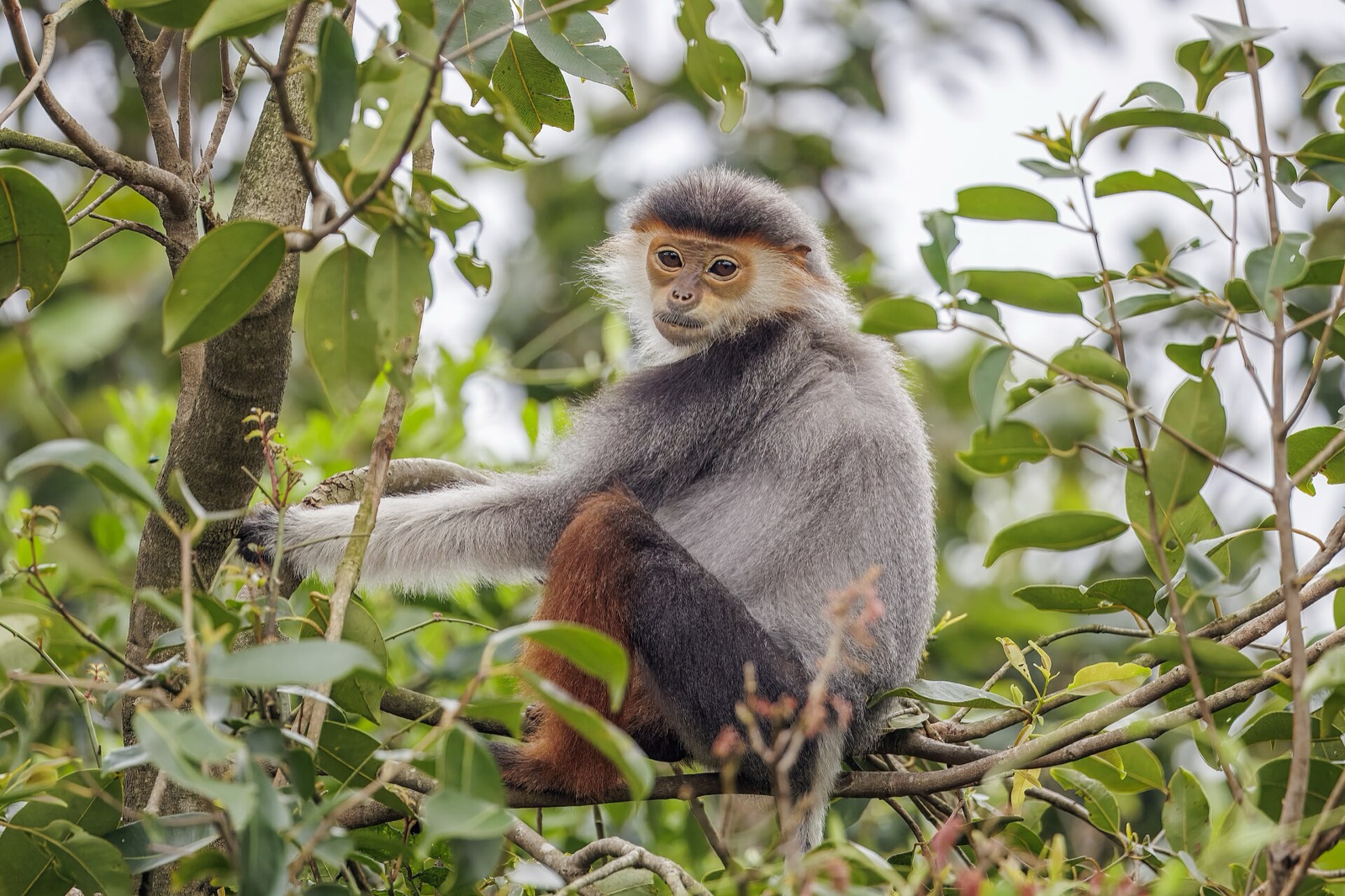
Son Tra's celebrity resident is the red-shanked douc langur, a primate with a grey body, a white face ruff and maroon legs. It's endangered and spectacular.
How many live here is less clear than the brochures suggest. In 2017, the NGO GreenViet presented a survey estimating at least 1,335 doucs on the peninsula. The primatologist Vu Ngoc Thanh called that figure "too impressive," saying his own team's counts since 2006 were much lower, and some scientists believe no more than 300 to 400 remain, VietNamNet reported. We couldn't find a newer published census. Either way, the advice is the same: keep your distance, keep quiet, and don't feed them.
The routes and the rules
After a long closure caused by landslides in the heavy rains of October 2022, the peninsula's sightseeing and picnic routes officially reopened on September 16, 2025, Báo Văn Hóa reported. The rules announced then:
- Tiên Sa to Suối Ôm to Bàn Cờ summit: sports and mountain bicycles, motorcycles (but not automatic scooters) and walkers only.
- Bàn Cờ summit to Bãi Bắc: one-way, downhill only. No scooters, no coaches over 24 seats and no sports or mountain bicycles.
- Bãi Bắc to the heritage banyan tree: walking only.
- Hours: 7:30 a.m. to 6:30 p.m. from March through September, and 7:30 a.m. to 5:30 p.m. from October through February. Activities stop when there's a severe weather warning.
- Banned: littering, cutting trees and lighting fires in the forest. Self-guided treks to Hục Lỡ, Mũi Nghê and Bãi Đá Đen are banned outright. Drones and filming are allowed only in designated areas with approval.
If you were planning to ride a rented automatic scooter to the summit, that's the rule that will stop you. Our guide to getting around without a motorbike has alternatives.
The no-go coastline
The board repeated its warnings in August 2026. Visitors must not cross prohibited or restricted signs, find their own way into dangerous areas, or take unauthorized paths down to the sea, Báo Văn Hóa reported. It named Mũi Nghê, Ghềnh Bàng and Bãi Đá Đen as dangerous spots. Parts of the peninsula are also military or restricted zones.
These aren't bureaucratic formalities. The same paper's related coverage includes a student rescued after falling into a ravine on the peninsula and people swept away by waves at Mũi Nghê. The photos on social media don't show the climb back up.
Linh Ứng and the Lady Buddha
The landmark you'll see from the beach is the Quan Âm statue at Linh Ứng Pagoda, a white figure 67 meters tall, according to Vietnamese Wikipedia. It's an active place of worship, so dress and behave accordingly. It's also one of the few spots on the peninsula that works as an easy half-hour trip from town.
How to do it well
- Go early. The light is better, the roads are quieter and the heat is lower.
- Check the weather first. Routes shut during warnings, and the rainy season brings landslide risk.
- Bring water and take your rubbish down. There's little on the upper roads.
- Treat Son Tra as a reserve, not a theme park. That's what it legally is, and what's left of it depends on visitors acting that way.
For the beaches below the peninsula, see our coastline guide.
Sources
- Đà Nẵng mở lại tuyến tham quan, dã ngoại tại bán đảo Sơn Trà
- Đến bán đảo Sơn Trà, đừng vượt biển cấm
- Bán đảo Sơn Trà
- How many doucs live in Son Tra?
This story was compiled by the Da Nang Voice news desk from the published sources listed above. Facts, figures and quotes are attributed to those sources; Da Nang Voice did not conduct interviews for it unless the text says so. Corrections are dated and noted at the top of the story. Read our corrections policy. Spotted an error? Tell us.