
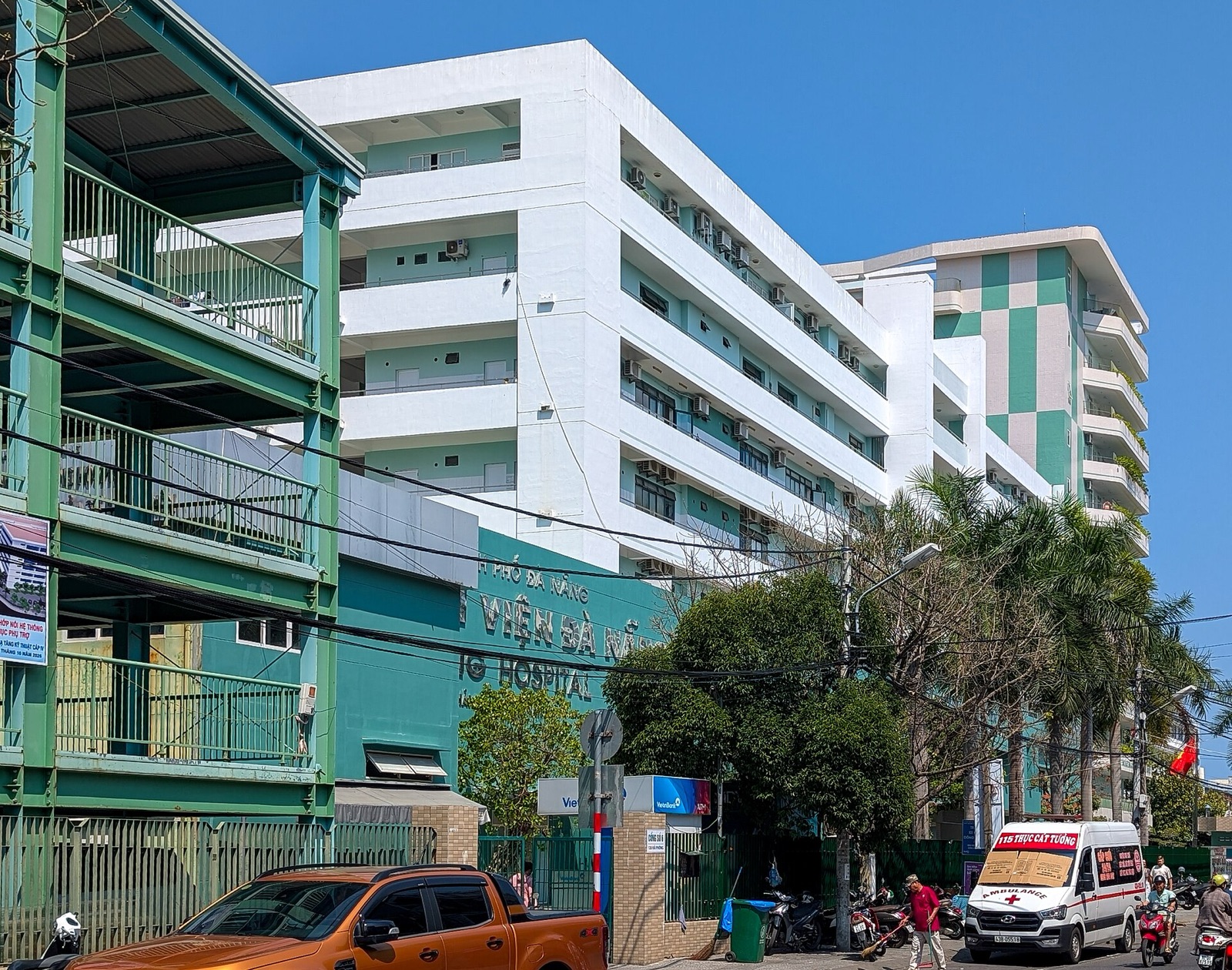
The small health stations that serve Da Nang's communes are running below their staffing quotas and, in some places, without basic diagnostic equipment, according to a report published on October 18 by Báo Đà Nẵng, the city's own newspaper. The stations passed to commune governments at the end of June, and the paper says the transition has exposed gaps in people, supplies and rooms.
What the stations report
In Lãnh Ngọc commune, three former facilities remain open, with the Tiên Ngọc site as the central station. The paper says they have 16 staff against a quota of 25, and that one site ran out of blood-pressure medicine while another still had stock. Moving supplies between sites is blocked because each has its own insurance reimbursement code, and some sites are more than 10 kilometers apart. The station also went about two months without an accountant after the handover, delaying salaries, before operations steadied in late September. The commune's deputy chairman said a job-position plan is being finalized to identify missing roles, especially pharmacists and doctors.
On Tam Hải island, the station has 10 staff against a stated minimum need of 15 and runs round-the-clock emergency duty. It has no ultrasound, X-ray or blood-testing systems, and is missing four functional rooms. A September equipment wish list proposes adding ECG, ultrasound, digital X-ray and laboratory equipment.
Trà Giáp has 15 staff, including three doctors, for 400 to 500 visits a month; some villages are 15 to 20 kilometers away. Thăng Phú has 16 staff against a quota of 18 and lacks an ultrasound, ECG and X-ray.
Citywide, the report counts 215 doctors at commune stations (127 treating, 88 in preventive medicine) and cites a target of four to five doctors per station by 2027. Mountain, island and rural areas are furthest from it.
The incentive
The City People's Council passed a resolution on grassroots doctors for 2026 to 2030, VOV reported on August 4. Doctors with a PhD, second-level specialist qualification or residency training get a one-time 500 million dong; first-level specialists and master's holders get 400 million, and university graduates 250 million, with extra for good and excellent grades. Posts in mountain and island areas carry a multiplier of 0.2 to 0.7, and recipients must commit to at least five years. VOV puts the 2026–2030 cost at more than 390 billion dong from the state budget.
Neither report says how many doctors have signed up so far, so it is not yet clear whether the money is closing the gap.
Sources
- [eMagazine] - Nỗ lực củng cố mạng lưới y tế cơ sở
- Đà Nẵng ban hành chính sách thu hút bác sĩ tuyến cơ sở
This story was compiled by the Da Nang Voice news desk from the published sources listed above. Facts, figures and quotes are attributed to those sources; Da Nang Voice did not conduct interviews for it unless the text says so. Corrections are dated and noted at the top of the story. Read our corrections policy. Spotted an error? Tell us.