It's easy to assume Da Nang was always a beach town that got lucky. It wasn't. For most of its modern history, the city mattered because of its bay. Emperors, colonizers and armies all wanted the harbor. The beach was just the strip of sand next to it.
Before Da Nang mattered
The city's roots go back to the kingdom of Champa, which ruled this coast for centuries, according to Wikipedia's history of Da Nang. But the region's great early trading port wasn't here. It was Hoi An, about 28 kilometers south, where Portuguese ships began calling after the explorer António de Faria's visit in 1535, and French and Spanish traders followed in the 17th and 18th centuries.
The edict that made the port
The turning point came in 1835. Emperor Minh Mạng barred European ships from landing or trading anywhere except Da Nang. The city then overtook Hoi An as the region's biggest commercial port, according to Wikipedia. Our guide to Hoi An covers what that did to the older town.
The foreign ships brought gunboats with them. In 1847, French ships under Admiral Cécille bombarded the port, and in 1858, Franco-Spanish forces landed in the city at the start of the Cochinchina Campaign. Both attacks were justified at the time as responses to alleged persecution of Catholic missionaries. In 1889, the French renamed the city Tourane and placed it under the governor-general of French Indochina.
The base
The 20th century turned the harbor town into a military hub. The French built an airfield in the 1940s, and it became Da Nang Air Base. On March 8, 1965, the 1st Battalion, 3rd Marines landed at the base, the first deployment of U.S. combat troops to South Vietnam, according to Wikipedia's entry on the air base. Read our airport guide for how that airfield became today's terminals.
The city sets its own course
After the war, Da Nang was part of the larger Quang Nam-Da Nang province. In 1997, it separated to become a centrally governed municipality, one of a handful of Vietnamese cities run directly under the national government. In the years that followed came new bridges across the Han River, starting with the Han River Bridge in 2000, and a beachfront opened up to development. In 2017, it hosted the APEC summit. In 2019, the New York Times called it "the Miami of Vietnam," according to Wikipedia.
On July 1, 2025, the story looped back on itself. Da Nang absorbed Quang Nam, the province it had split from, and took in Hoi An, My Son and the old Champa heartland. See our guide to the new ward map.
Tourism takes over, and the port fights back
Tourism is now the face of the city. Lonely Planet named Da Nang among its Best in Travel 2027 destinations and chose the Golden Bridge at Ba Na Hills as the feature image, VietnamPlus reported.
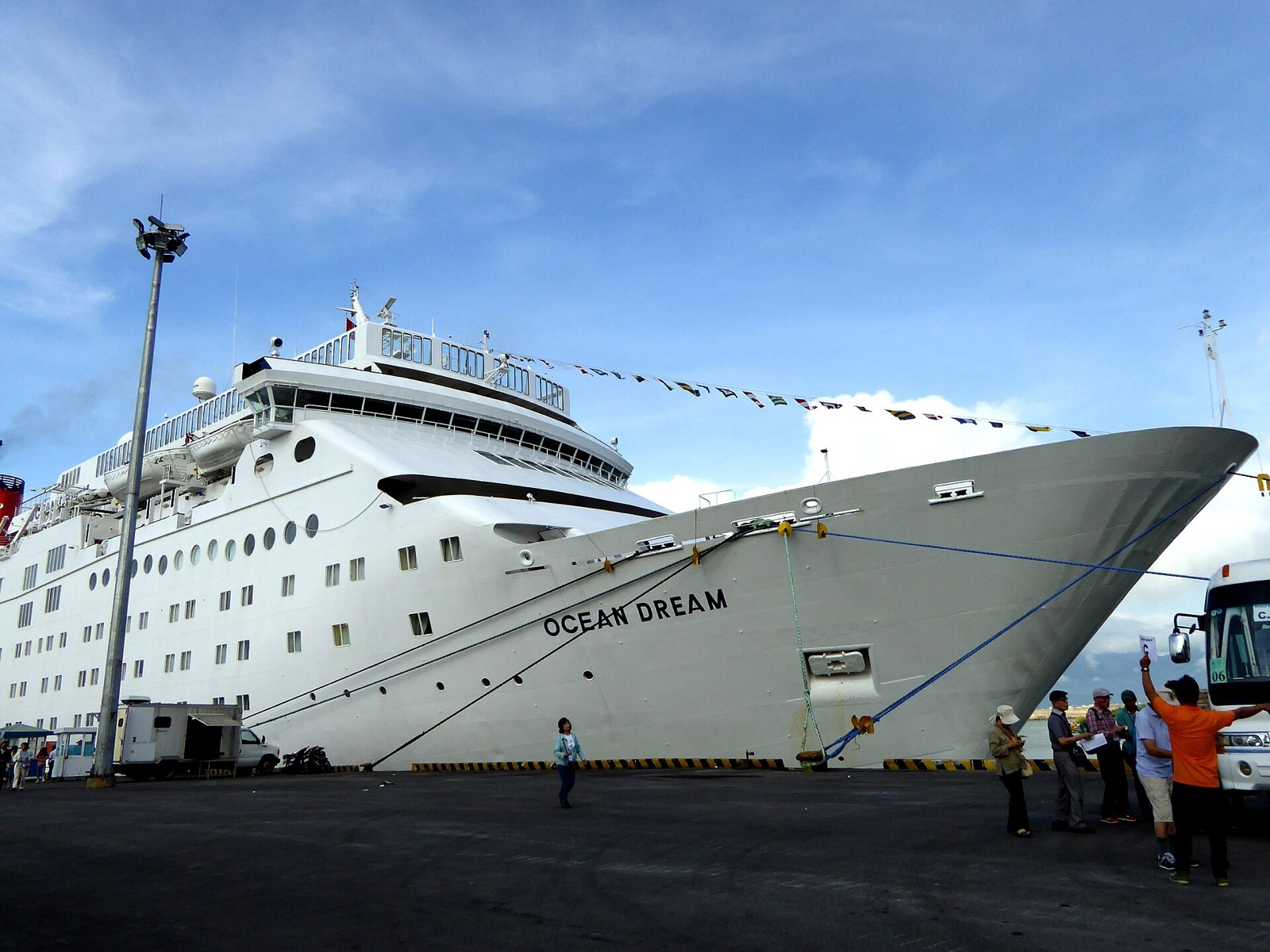
But the harbor still matters. Da Nang's port system is the third largest in Vietnam, after those of Ho Chi Minh City and Haiphong, according to Wikipedia. Its main port, Tiên Sa, at the foot of Son Tra, can receive container ships, tankers and cruise ships, according to Wikipedia. That dual use has run into limits, with growing pressure on space and operations, Viet Nam News reported in August 2026. The city's answer is the Liên Chiểu port on the northern side of the bay, a project worth more than 45 trillion dong ($1.7 billion), designed to handle up to 50 million tonnes of cargo a year.
The argument underneath
So the old question has come back in a new form. Should Da Nang be a city that works, or a city that hosts? The 1835 edict made it a port. The war made it a base. Tourism made it a brand. The money going into Liên Chiểu suggests the city doesn't want to choose. Whether a bay can be a container port, a cruise terminal and a holiday postcard at the same time is the question for the next decade. Our development coverage follows it.
Sources
- Da Nang
- Da Nang Air Base
- Liên Chiểu Port set to drive Đà Nẵng's marine economic expansion
- Lonely Planet names Da Nang among the Best in Travel 2027, choosing Golden Bridge as the feature image
This story was compiled by the Da Nang Voice news desk from the published sources listed above. Facts, figures and quotes are attributed to those sources; Da Nang Voice did not conduct interviews for it unless the text says so. Corrections are dated and noted at the top of the story. Read our corrections policy. Spotted an error? Tell us.