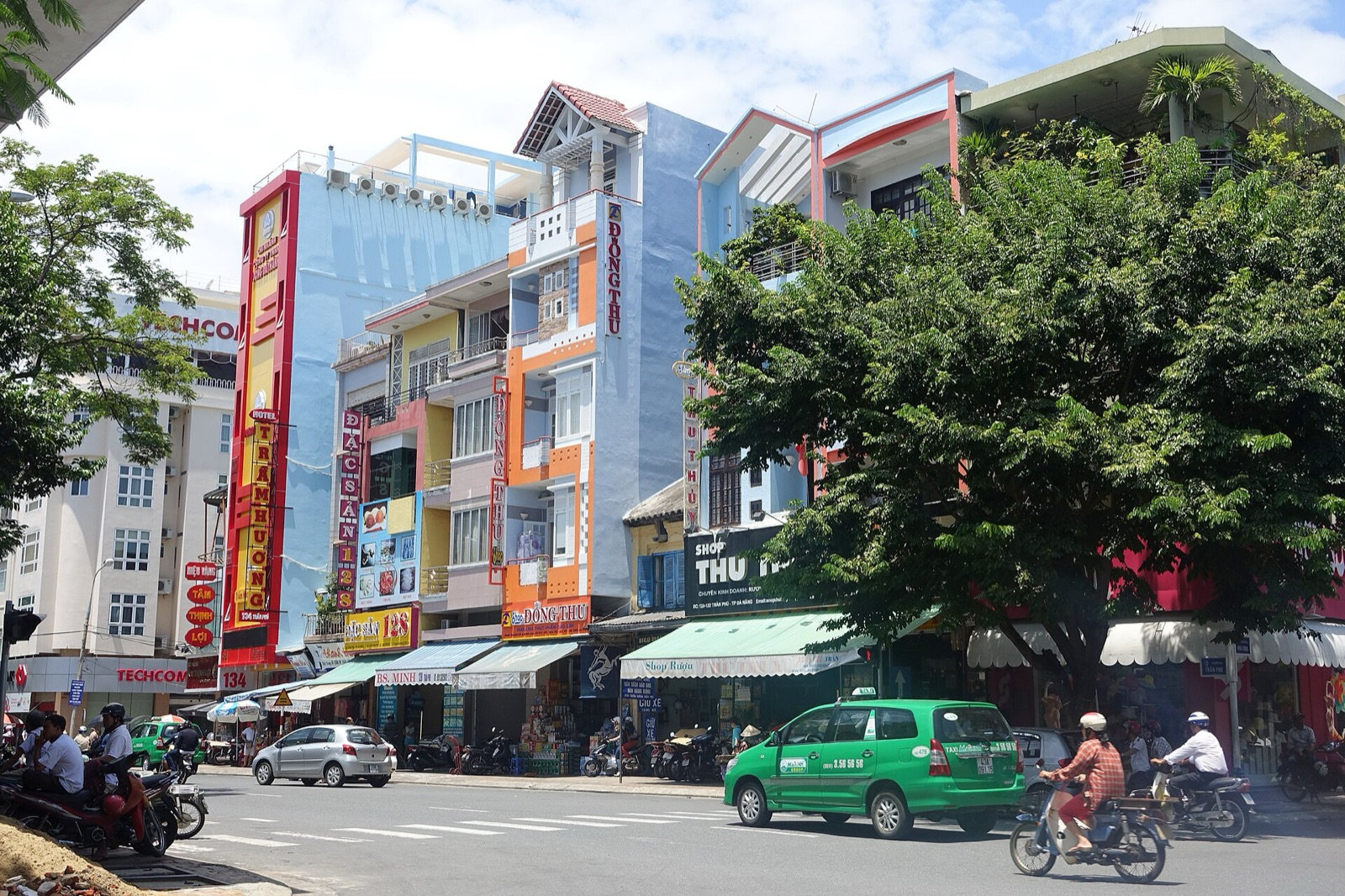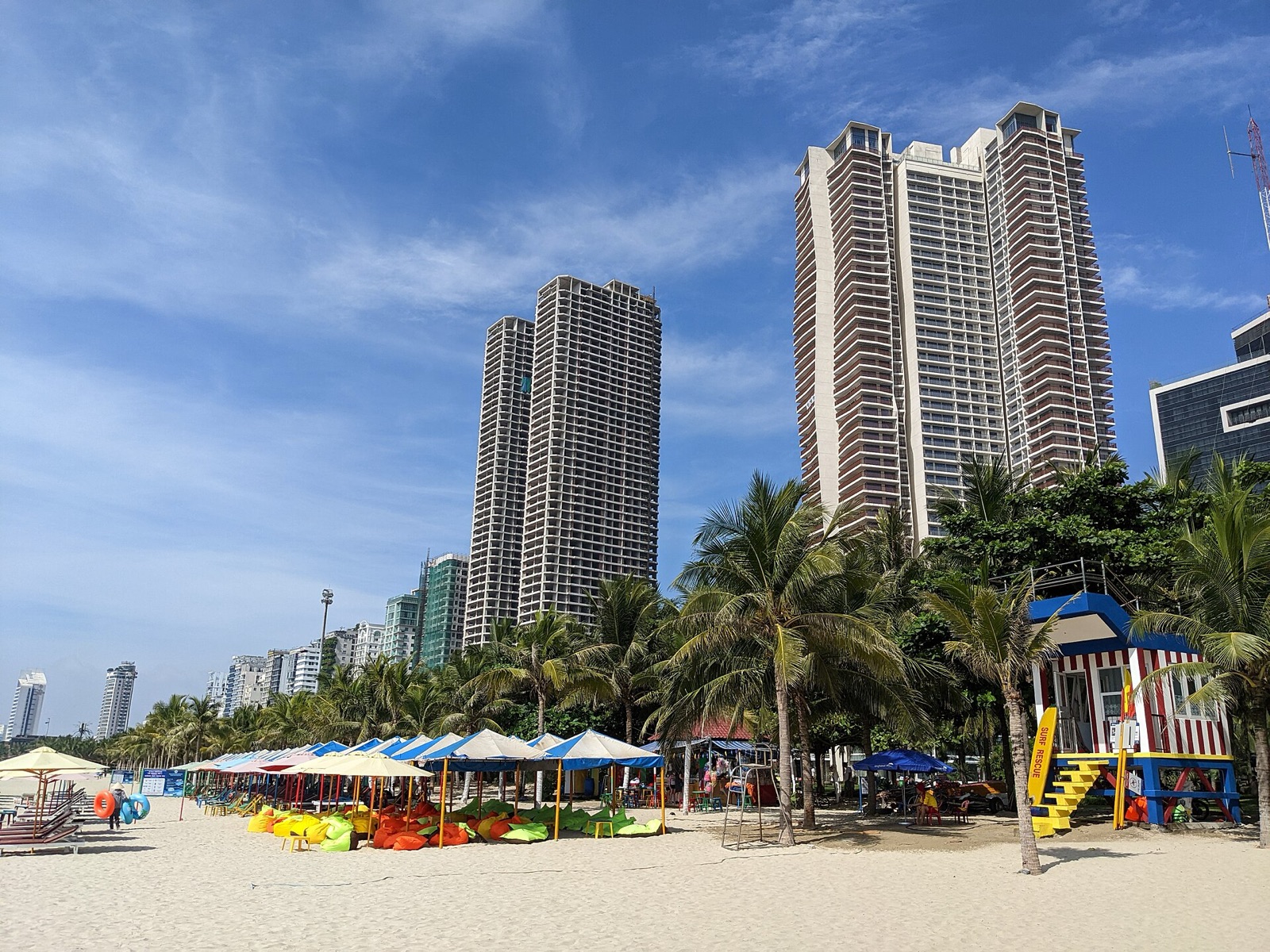
Da Nang has a reputation problem, and it's the good kind. It shows up on "cheapest places to live" lists, digital nomad rankings and a thousand beach-sunset videos. In June 2025, VnEconomy, relaying a Daily Mail report on research commissioned by the insurer William Russell, said Vietnam had been ranked the cheapest country to live in as an expat and named Da Nang its cheapest city, citing beach access and nightlife, according to VnEconomy. The same report put average monthly rent for a one-bedroom apartment in Vietnam at $361. The report doesn't explain its methodology, so treat the numbers as a direction, not a budget.
Cheap isn't the same as simple. Here's the part of moving here that the reels skip.
1. Get the visa right
Vietnam's rules have loosened a lot in recent years, but the details matter. According to Vietcetera's 2026 immigration guide:
- E-visas are open to citizens of all countries and territories, valid for up to 90 days, single or multiple entry, for state fees of $25 (single) or $50 (multiple).
- Apply only on the official portal, evisa.xuatnhapcanh.gov.vn. Look-alike commercial sites charge more and add risk.
- Visa-free stays of up to 45 days apply to citizens of Germany, France, Italy, Spain, the U.K., Russia, Japan, South Korea, Denmark, Sweden, Norway and Finland, under a policy running from March 15, 2025, to March 14, 2028.
- ASEAN neighbors have their own shorter reciprocal exemptions.
None of these is a long-term residence permit, and none lets you work. If you plan to stay and earn money locally, you need proper work authorization, and it's worth paying a reputable lawyer rather than a "visa agent" with a Facebook page.
2. Registration isn't optional
This one surprises people. Every foreigner's place of stay has to be declared to the local police. According to Vietcetera's guide, the duty sits with the host, whether a hotel, homestay, serviced apartment or private landlord, and must be done within 12 hours of arrival (24 hours in remote areas) through the commune or ward police or the national online system.
If you rent privately, ask your landlord directly whether they've registered you, and keep a copy. It's your problem if they didn't.
3. Know which "Da Nang" you're moving to
Da Nang is a much bigger city than it was. Since the 2025 merger with Quang Nam, it stretches from Hai Van Pass to Chu Lai and from the coast to the Lao border, and it has new ward names. Read our guide to the new ward map and what changed in your address before you sign a lease. Your landlord's paperwork may still use the old names.
4. Health care and the rainy season
The city's big public hospitals are expanding what they can treat locally. Read about how Da Nang's satellite hospital network is cutting referrals. International health insurance is still worth having.
Two local risks deserve attention. First, dengue: the city logged more than 4,200 cases by October 1 this year, 2.4 times last year's figure. Second, the autumn rainy season, which brings flooding in low-lying wards and landslides in the mountains. Before you rent, ask whether the street floods. Then ask a neighbor, because landlords tend to be optimists.
5. Read the local news
The fastest way to stop being a tourist is to know what the city is arguing about: land prices, sidewalk works, bridge projects. That's not a sales pitch for this paper. It's how you'll know which street is about to be torn up for a year.
The bottom line
Da Nang can be a great place to live, and it doesn't have to be expensive. But it rewards people who treat it as a city, with rules, seasons and neighbors, rather than as a long holiday. Check the visa rules on the official portal, make sure you're registered, ask about the flooding, and remember that every number in an online cost-of-living chart is somebody else's lifestyle.
Sources
This story was compiled by the Da Nang Voice news desk from the published sources listed above. Facts, figures and quotes are attributed to those sources; Da Nang Voice did not conduct interviews for it unless the text says so. Corrections are dated and noted at the top of the story. Read our corrections policy. Spotted an error? Tell us.